KEHUA VALVE · EXPORT INDUSTRIAL VALVE MANUFACTURER

Isolation valve selection

Ball Valves

Compare KEHUA ball valve series from a China manufacturer. Review floating or trunnion support, seats, body access and project quotation requirements.

Back to products
Ball Valves
Ball ValvesAPI 6D

API 6D

Ball Valves

Use this ball valve catalogue to shortlist a construction before requesting a model-specific quotation. Compare ball support and seat as separate decisions, then review body access, pipe ends and low-temperature requirements. The series links below lead to the individual product checks; published family ranges are not a promise that all options can be combined.

Pressure / size rangeNPS ½–48 · Class 150–2500
Design / test standardAPI 6D
MaterialsCarbon steel, low-alloy steel, stainless steel and duplex options
ApplicationsOil & gas pipelines, chemical plants and process isolation

SERIES SELECTION COMPARISON

How should buyers shortlist a ball valve series?

Start with ball support and seat construction, then review body access, pipe ends and any cryogenic duty. Compare candidate ball valve series at the same service conditions and confirm the complete configuration on its datasheet and drawing. Floating, trunnion, top-entry, welded-body and extended-stem names describe different features; family maxima are not a single available rating.

How do support and seat choices differ?

Floating or trunnion describes ball support; soft or metal seating is a separate selection. Compare the same medium, differential pressure and shutoff requirement before requesting the proposed trim, sealing direction and torque basis. Trunnion support alone does not establish a cavity-isolation function, and another series' seat limits do not transfer to the offer.

Does top-entry access mean a welded body?

No. Top-entry describes upper access, while fully welded describes body joints. Review the intended maintenance task, isolation, lifting and removal space for top-entry construction; review body-joint inspection and the maintenance strategy for the welded series. Confirm pipe ends separately, because a fully welded body does not by itself specify a butt-weld pipe connection.

Is an extended stem enough for cryogenic approval?

No. An extended stem is one construction feature, not qualification of the complete ball valve. State fluid phase, minimum temperature, extension orientation and insulation boundary, then request compatible materials, sealing details and the agreed cold-test scope for the offered configuration. Leave unconfirmed service limits open rather than applying a family temperature range.

Use these decisions to compare existing catalogue constructions, not to assume interchangeability. Confirm medium suitability, size, pressure, temperature, materials and connections on the offered model’s datasheet and drawing.

TECHNICAL SELECTION

Select by service conditions

Use the sample catalogue figures as a starting point, not a universal rating. Confirm the exact model, size, pressure class, material, end connection and operating conditions on an approved datasheet before ordering.

01

Service medium

State fluid composition, phase, solids and corrosion concerns; identify the required body, ball, trim, seat and seal materials separately for review.

02

Size and dimensions

Give DN/NPS, required bore and face-to-face envelope. Add top-entry removal space or welded-body maintenance constraints where relevant.

03

Pressure and temperature

Provide normal/design pressure and temperature, maximum operating differential pressure and cycle duty. Keep each catalogue size-pressure-temperature row tied to its named construction.

04

End connection

Specify flange facing/drilling or weld preparation, pipe standard and installation limits. A fully welded body does not specify a butt-weld pipe connection.

Sample catalogue reference

The figures describe the named catalogue construction. Size, pressure, temperature, material and end options are not interchangeable combinations; the maximum values do not apply simultaneously. Confirm the offered configuration, seat/seal compatibility, pressure–temperature limits and dimensions on its approved datasheet and drawing. The listed ranges summarize catalogue sizes, not every intermediate DN.

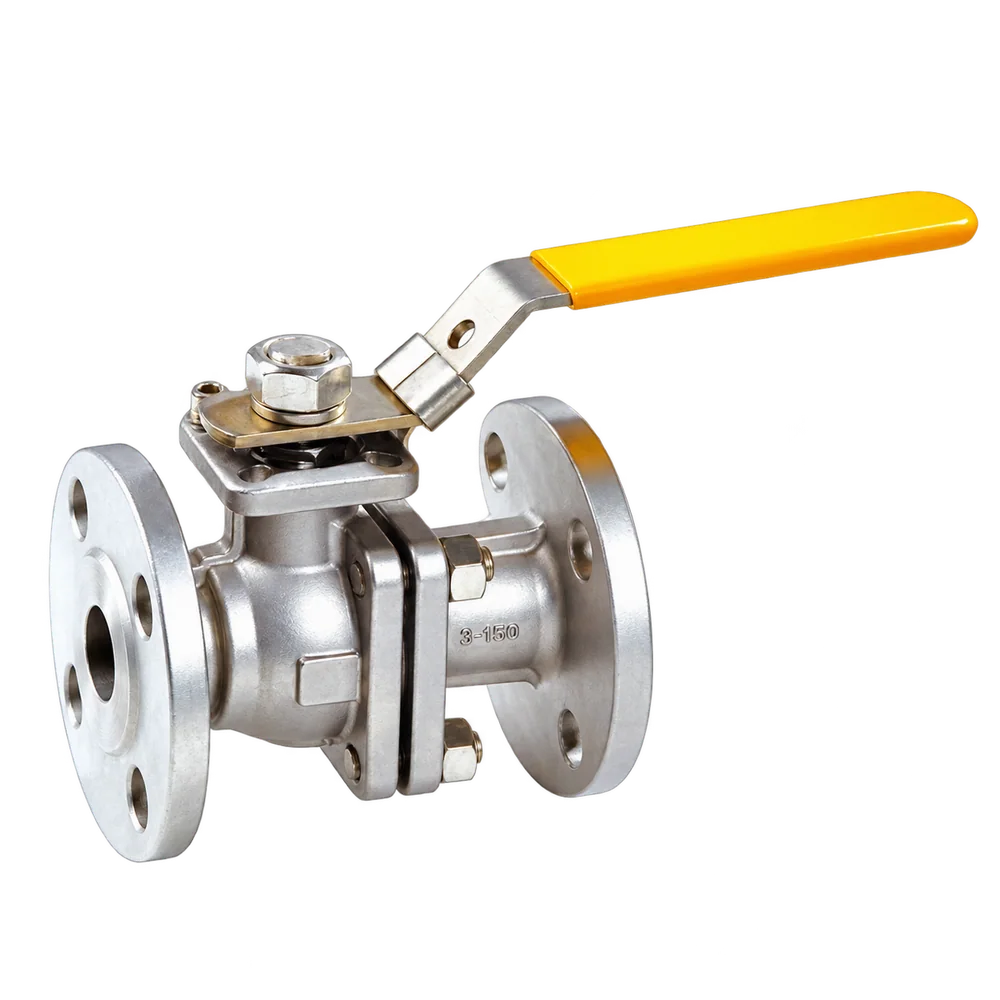
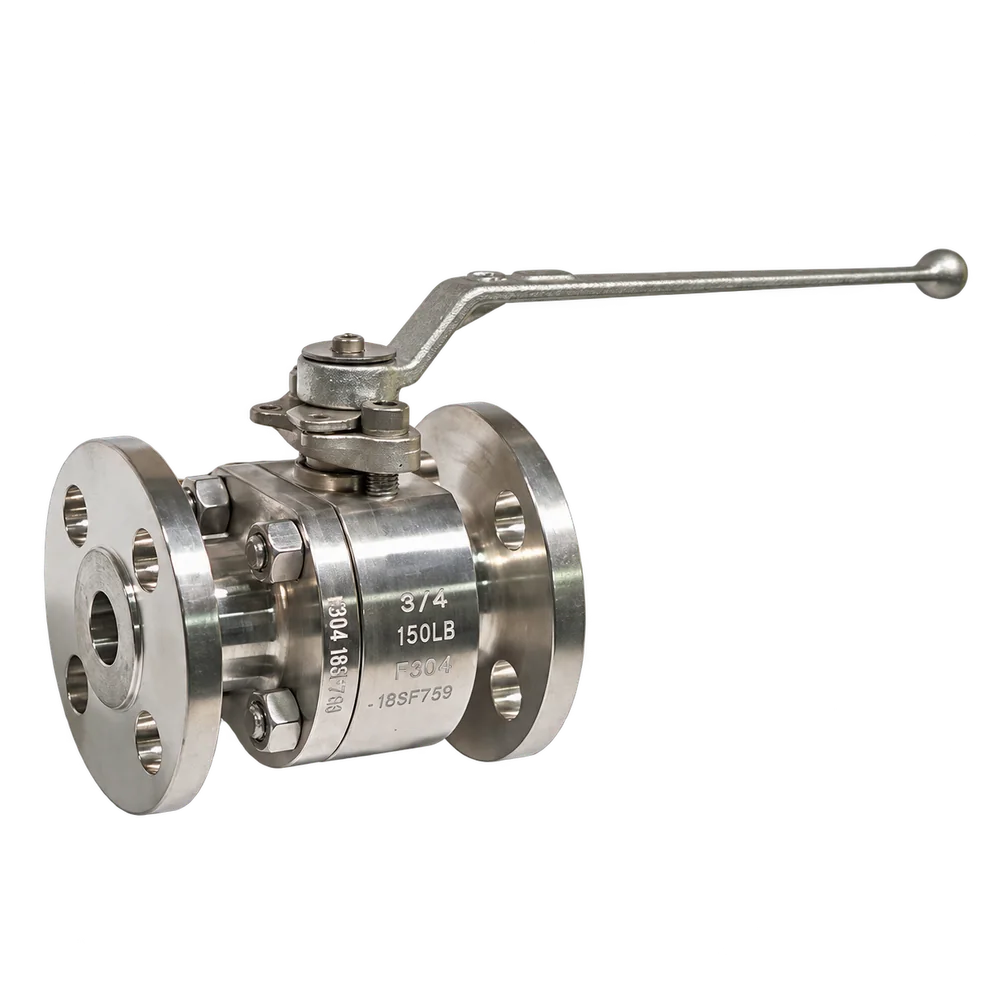
Metal-seated floating ball valve

Metal-seated floating ball valve — Sample catalogue reference
Pressure classNominal sizes shownEnd styles shownCatalogue temperature rangePrinted pages
ASME Class 150–2500DN 15–200Flanged / BW−29…450 °C06

Materials: Carbon steel, stainless steel, alloy steel

Review this series: Metal-seated floating ball valve →

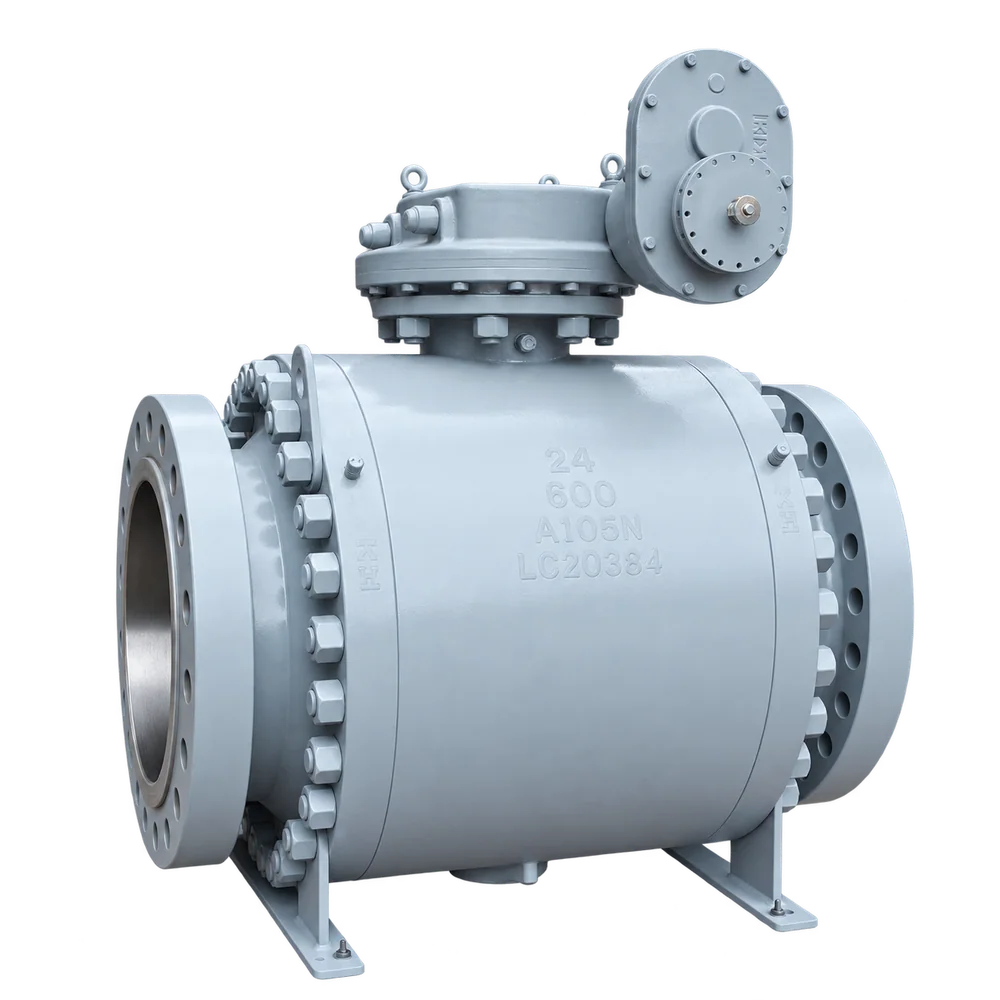
Soft-seated trunnion-mounted ball valve

Soft-seated trunnion-mounted ball valve — Sample catalogue reference
Pressure classNominal sizes shownEnd styles shownCatalogue temperature rangePrinted pages
ASME Class 150–2500DN 50–600Flanged / BW−20…250 °C10

Materials: Carbon steel, stainless steel, alloy steel

Review this series: Soft-seated trunnion-mounted ball valve →

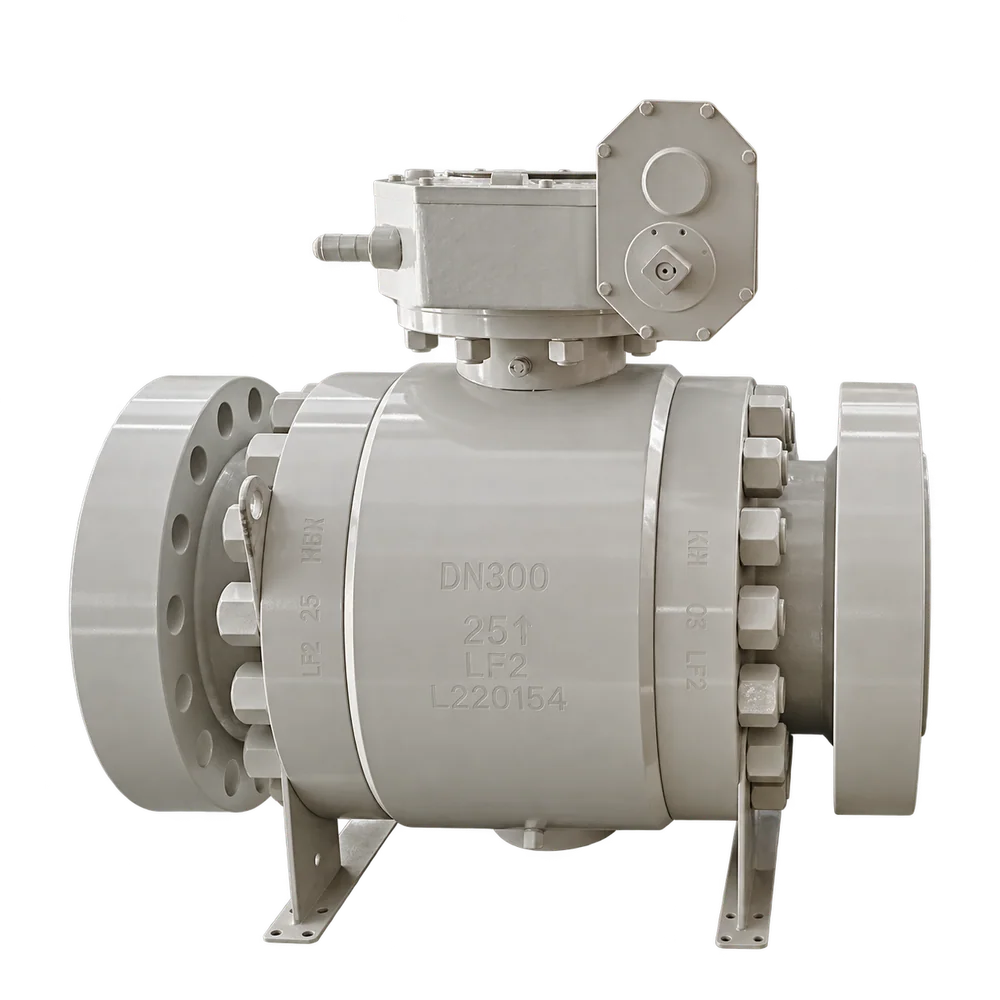
Metal-seated trunnion-mounted ball valve

Metal-seated trunnion-mounted ball valve — Sample catalogue reference
Pressure classNominal sizes shownEnd styles shownCatalogue temperature rangePrinted pages
ASME Class 150–2500DN 50–600Flanged / BW−29…450 °C16

Materials: Carbon steel, stainless steel, alloy steel

Review this series: Metal-seated trunnion-mounted ball valve →

Source: supplied valve sample booklet; page numbers refer to its printed pages. Confirm the current model datasheet before ordering.

These are model- and class-specific examples. Not every size or end style is available in every configuration; final dimensions and ratings require an approved drawing and datasheet.

Send operating data for review

MANUFACTURER & CONSTRUCTION SELECTION

Compare floating, trunnion, top-entry and fully welded ball valves

KEHUA VALVE is Wenzhou Kehua Valve Co., Ltd., an industrial valve manufacturer based in Wenzhou, Zhejiang, China. This catalogue helps importers, distributors and project buyers shortlist ball valve constructions for oil, gas, chemical and process isolation duties before reviewing a model-specific technical offer.

Review company and manufacturing information

Floating and trunnion-mounted describe ball support. Top-entry and fully welded describe different aspects of body construction. These terms are not four mutually exclusive performance classes: confirm the combination, seat design and service limits of the offered model.

Floating ball valves

The ball is not supported by trunnions; differential pressure moves it against the downstream seat. Check seat materials, permitted pressure-temperature conditions, shutoff direction and operating torque for the offered model, rather than assuming all floating valves share one rating.

Trunnion-mounted ball valves

The ball is supported by trunnions, with sealing provided by the seat arrangement. Review seat movement, cavity-pressure relief and operating differential pressure. Trunnion construction alone does not establish double-block-and-bleed performance or a particular pressure rating.

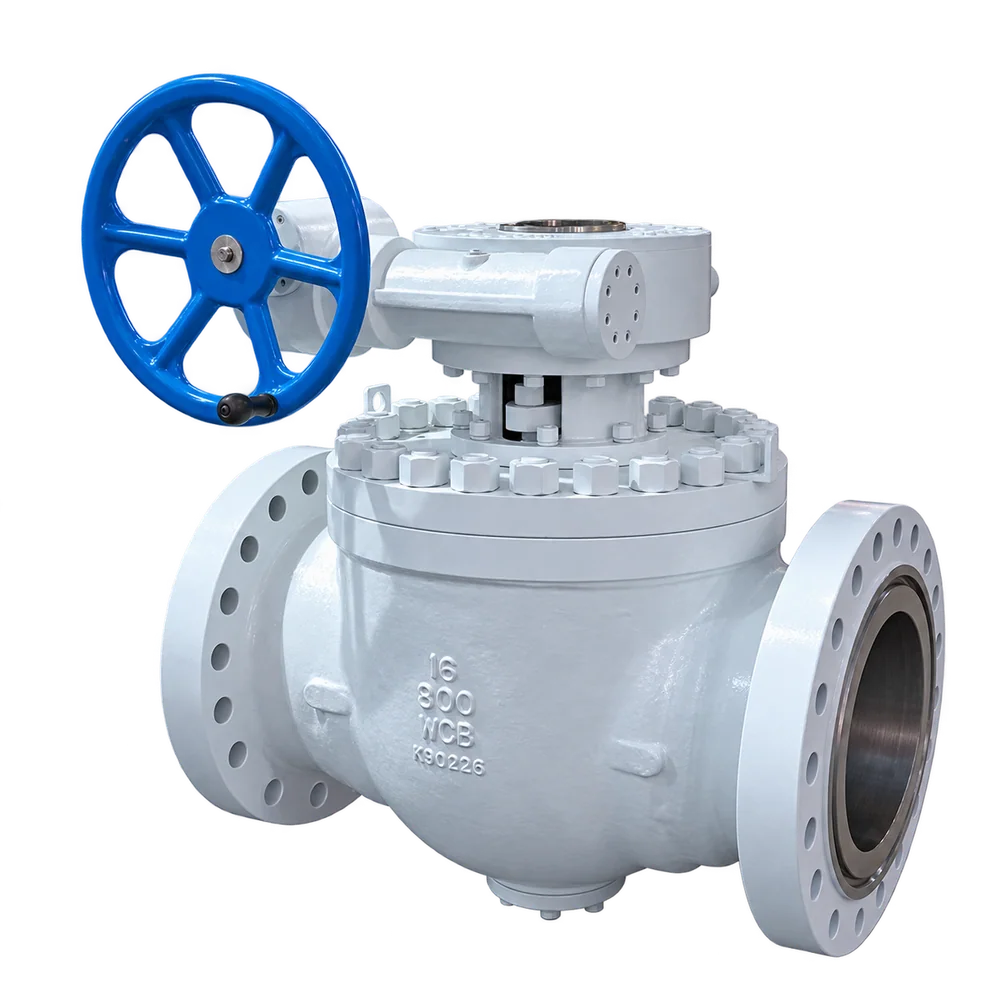
Top-entry ball valves

Top-entry describes access through the upper body opening, not how the ball is supported. Review the maintenance procedure, lifting and removal clearance, isolation requirements and access to internal components on the approved drawing; do not assume maintenance can be performed under pressure.

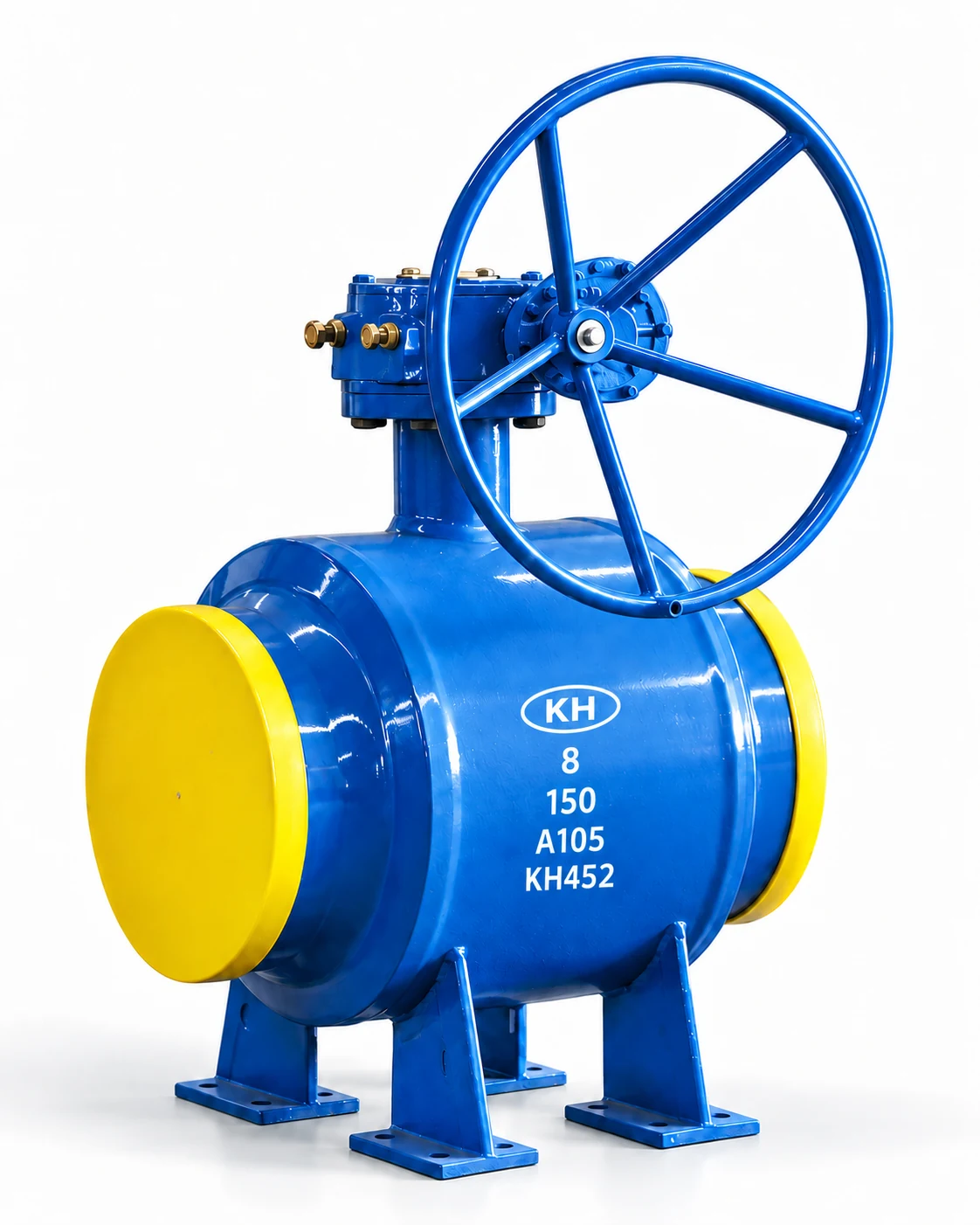
Fully welded ball valves

Fully welded describes the valve body's welded construction, not the pipe-end connection, seat material or actuation method. Confirm the exact end preparation, weld inspection scope, maintenance strategy and installation drawing. Buried installation, extended stems and coating requirements need project-specific confirmation.

The category range is a catalogue envelope, not a rating shared by every series. For an RFQ, provide medium composition, nominal size and bore, operating and design pressure and temperature, end connections, required materials, quantity and actuation. Confirm the pressure-temperature rating, dimensional drawing, tests and documentation for the exact model before ordering.

VALVE PRODUCT FAMILIES

Browse the catalogue by valve type

Start with a valve family, then review the construction and service series used in a technical RFQ.

Isolation valve selection

Ball valve series covered

Compare floating, trunnion-mounted, top-entry, cryogenic extended-stem and fully welded ball valves. Confirm the offered model's pressure class, seat, bore and end connections.

How buyers usually specify this family
Soft-seated floating ball valve - Ball Valves
API 6DOil & gas isolation

Soft-seated floating ball valve

A floating ball transfers differential-pressure loading toward the downstream seat. The soft seat is a separate material choice: verify fluid compatibility and the offered seat pressure–temperature limits, not only the body rating.

Floating / soft seat

Request this series
Metal-seated floating ball valve - Ball Valves
API 608 / API 598Severe service

Metal-seated floating ball valve

This floating ball series uses a metal sealing interface. Ball and seat base materials, surface treatment and lapping belong in the technical offer; the words metal seated do not specify a leakage class or temperature limit.

Floating / metal seat

Request this series
Soft-seated trunnion-mounted ball valve - Ball Valves
API 6DPipeline isolation

Soft-seated trunnion-mounted ball valve

A trunnion-mounted ball is mechanically supported while the seat arrangement provides shutoff. This series combines that support with soft seats; review seat movement, cavity-pressure handling and compatibility separately.

Trunnion / soft seat

Request this series
Metal-seated trunnion-mounted ball valve - Ball Valves
API 6DHigh pressure

Metal-seated trunnion-mounted ball valve

A supported ball and a metal seat address different design decisions. Specify the actual sealing pair, pressure direction and cavity-pressure handling; supported construction alone does not establish DBB or fire-test qualification.

Trunnion / metal seat

Request this series
Top-entry ball valve - Ball Valves
API 6DMaintainable design

Top-entry ball valve

Top entry describes an upper opening for access to internals. It does not define the seat or ball support. Determine which maintenance tasks the offered design permits with the valve body left in the line.

Top entry

Request this series
Cryogenic extended-stem ball valve - Ball Valves
API 6DLow temperature

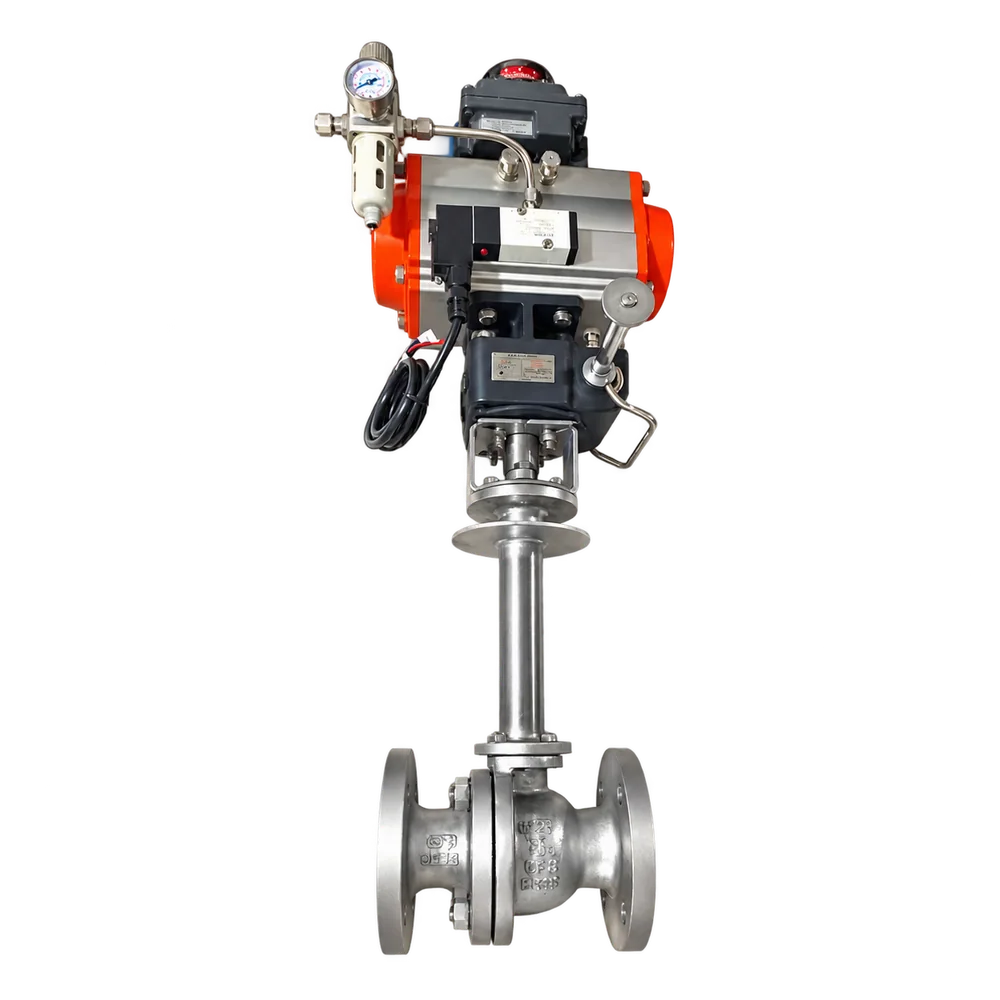
Cryogenic extended-stem ball valve

An extended stem separates the operating and stem-sealing region from the cold-service area. Low-temperature suitability still depends on the complete materials, seals, extension arrangement and specified tests for the offered model.

Cryogenic / extended stem

Request this series
Fully welded ball valve - Ball Valves
API 6D / API 598 (catalogue reference)Isolation proposals for water, oil and natural-gas pipelines; confirm compatibility for the offered model

Fully welded ball valve

A fully welded body uses welded body joints rather than a removable split-body joint. The pipeline ends, ball support, seat and operation remain separate specifications. Define inspection and maintenance access before selecting an installation.

Fully welded body

Request this series

Technical data

How buyers usually specify this family

For a comparable ball valve quotation, identify the support, seat, bore, body access, ends and actuation for each bill-of-materials line. Include quantity, destination, requested date and required drawings, material records and test documents. Ask each offer to distinguish confirmed scope, optional items, deviations and unresolved data. Use the line-item RFQ checklist and quality-document review to define the requested submission package. Unknown values can remain open for technical confirmation.

  • Choose floating or trunnion-mounted construction by size, pressure and operating torque.
  • Confirm soft seat or metal seat according to temperature, particles and shutoff requirement.
  • Confirm side-entry or top-entry body construction from the drawing; specify actuator position separately.
  • Send bore type, end connection, actuator need and project standard with the RFQ.
  • NPS ½–48 · Class 150–2500

Share the operating data you already have. Unknown fields can stay blank while our team reviews the application.

Operating data

BUYER GUIDES

Continue the technical review

Use these guides to compare valve types, body materials and RFQ requirements before requesting a project quotation.

VALVE CONNECTION SELECTIONValve End Connections: Flanged vs Butt Weld, Socket Weld & ThreadedCompare flanged, butt-weld, socket-weld and threaded valve connections. Check pipe interfaces, maintenance access and project standards with a practical RFQ checklist.BALL VALVE SEAT SELECTIONSoft-Seated vs Metal-Seated Ball Valves: Selection GuideCompare soft-seated and metal-seated ball valves by fluid, temperature, leakage requirements and trim design. Use a buyer checklist and KEHUA product links.VALVE INSPECTION & TESTINGValve Pressure Testing: Shell vs Seat Tests & Buyer ChecklistUnderstand shell and seat leakage tests, review API 598 or ISO 5208 requirements, and specify an auditable valve pressure-test report before ordering.BALL VALVE BUYER GUIDESide-Entry Trunnion Ball Valves: Buyer’s Selection GuideCompare side-entry and top-entry trunnion ball valves, with manual, pneumatic and electric actuation RFQ checks, seat selection and model-specific document review.RFQ GUIDEHow to prepare an industrial valve RFQ that can be reviewed quicklyPrepare an industrial valve RFQ with a copyable fill-in checklist, quotation deviation table and checks for service data, materials, connections, actuation and documents.BALL VALVE BUYER GUIDEFull Bore vs Reduced Bore Ball Valves: Buyer GuideCompare full bore and reduced bore ball valves for pipeline pigging, flow restriction and project cost. Use the bore checklist to specify your valve RFQ.BALL VALVE SELECTIONFloating vs Trunnion Ball Valves: Selection GuideCompare floating and trunnion ball valves by seat design, pressure, torque and project requirements. Use the buyer checklist to prepare a complete valve RFQ.MATERIAL SELECTIONIndustrial valve materials: WCB, LCB, CF8M and duplex steelCompare WCB, LCB, CF8M and duplex valve bodies with a material selection table and RFQ checklist covering fluid, temperature, corrosion and material records.VALVE SELECTIONBall, butterfly or gate valve: start with the dutyCompare ball, butterfly and gate valves with a duty-based selection table, model-specific purchasing checks and links to KEHUA product series and technical guides.
WhatsApp