KEHUA VALVE · EXPORT INDUSTRIAL VALVE MANUFACTURER

Backflow prevention

Check Valves

Compare KEHUA check valves from a China manufacturer. Review swing, lift, dual plate and other non-return series, flow duty and project quotation requirements.

Back to products
Check Valves
Check ValvesAPI 594 / API 6D

API 594 / API 6D

Check Valves

Shortlist non-return valves from the system flow cases and approved mounting orientation, not pipe size alone. Compare swing, lift, piston and plate mechanisms separately from wafer installation. Follow the six catalogue series for section-drawing and RFQ checks; the product name does not by itself establish closing response or non-slam performance.

Pressure / size rangeAPI 594 / API 6D · Class 150–2500
Design / test standardAPI 594 / API 6D
MaterialsCarbon steel, alloy steel and stainless steel
ApplicationsPipeline protection, pumps and process systems

SERIES SELECTION COMPARISON

How should buyers choose a check valve series?

Start with fluid properties, flow range, approved installation orientation and available reversal or pump-trip cases, not pipe size alone. Compare the check valve's closing mechanism and guidance separately from its body connection. Confirm the offered section drawing, opening clearance and response limitations; a spring or product name alone does not guarantee non-slam performance.

What distinguishes swing, lift and piston reviews?

Compare the swing valve's hinged disc travel with the guided member shown in the lift or piston section drawing. Confirm any spring, opening requirements, approved orientation and inspection access for the actual model. Keep the catalogue identity: a piston check valve must not be treated as an axial or nozzle design without evidence.
Are dual plate, wafer and butterfly check interchangeable names?

No. Dual plate identifies a closing mechanism, wafer describes mounting, and the butterfly-check catalogue entry needs its own section drawing. Review plates, hinges and any closing assistance independently of flange fit, then check pipe bore, opening clearance and approved orientation. Specify the offered mechanism and connection together instead of inferring one from the other.

What evidence supports a closing-response comparison?

Provide minimum, normal and maximum flow, fluid properties and available shutdown, reversal and surge cases. Request configuration-specific closing-response evidence and the limits of that assessment for each candidate check valve. Spring assistance or a series name is not a non-slam guarantee; agree seat-test acceptance separately from the system's dynamic response.

Use these decisions to compare existing catalogue constructions, not to assume interchangeability. Confirm medium suitability, size, pressure, temperature, materials and connections on the offered model’s datasheet and drawing.

TECHNICAL SELECTION

Select by service conditions

Use the sample catalogue figures as a starting point, not a universal rating. Confirm the exact model, size, pressure class, material, end connection and operating conditions on an approved datasheet before ordering.

01

Service medium

Describe fluid density/phase, solids and cleanliness along with minimum/normal/maximum flow. Identify the intended backflow-protection duty for system review.

02

Size and dimensions

Provide DN/NPS, pipe bore, face-to-face and disc/plate opening clearance, installation orientation and access for inspecting the offered mechanism.

03

Pressure and temperature

Give normal/design pressure and temperature plus available reverse-flow, pump-trip or surge cases. Nominal pressure class alone does not establish dynamic closing response.

04

End connection

Specify mating flange facing/drilling, wafer fit or other offered ends and nearby fitting clearances. Confirm mechanism and mounting approval on the same model drawing.

Sample catalogue reference

The figures describe the named catalogue construction. Size, pressure, temperature, material and end options are not interchangeable combinations; the maximum values do not apply simultaneously. Confirm the offered configuration, seat/seal compatibility, pressure–temperature limits and dimensions on its approved datasheet and drawing. The listed ranges summarize catalogue sizes, not every intermediate DN.

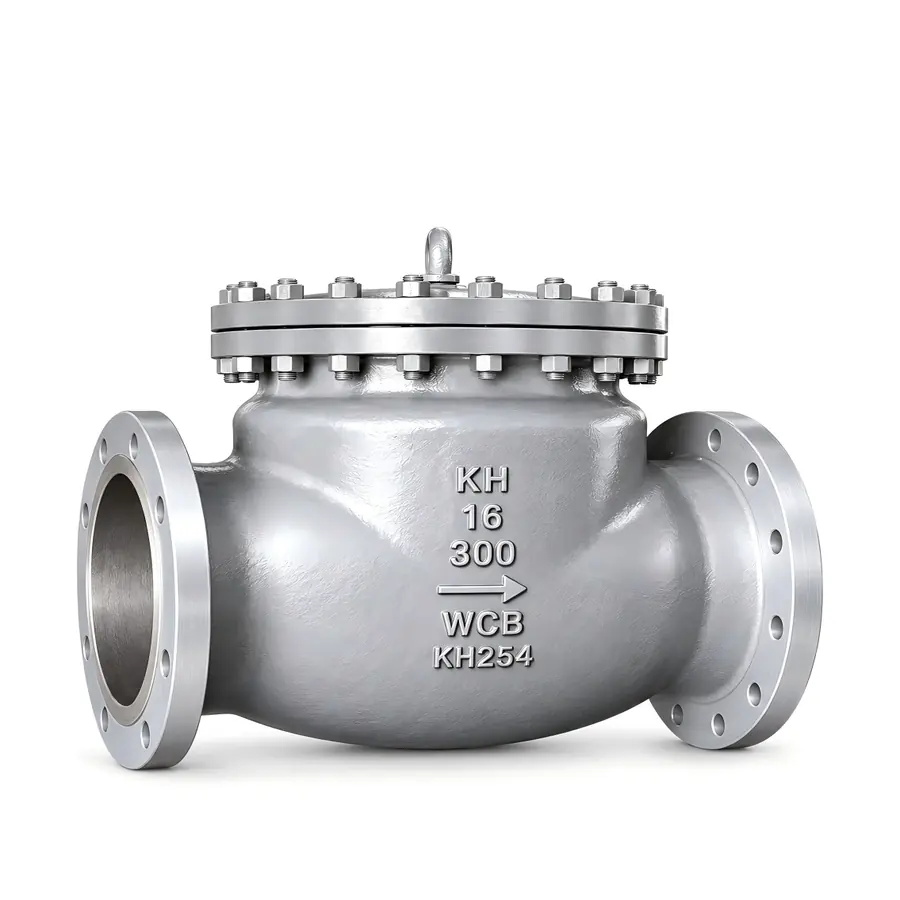
Cast steel swing check valve

Cast steel swing check valve — Sample catalogue reference
Pressure classNominal sizes shownEnd styles shownPrinted pages
ASME Class 150NPS 2–36 / DN 50–900RF / RTJ flange · BW40
ASME Class 300NPS 2–36 / DN 50–900RF / RTJ flange · BW41
ASME Class 600NPS 2–30 / DN 50–750RF / RTJ flange · BW42
Review this series: Cast steel swing check valve →

RF = raised-face flange · RTJ = ring-joint flange · BW = butt-weld end

Source: supplied valve sample booklet; page numbers refer to its printed pages. Confirm the current model datasheet before ordering.

These are model- and class-specific examples. Not every size or end style is available in every configuration; final dimensions and ratings require an approved drawing and datasheet.

Send operating data for review

MANUFACTURER & CHECK VALVE SELECTION

Compare check valve construction and installation requirements

KEHUA VALVE is Wenzhou Kehua Valve Co., Ltd., an industrial valve manufacturer based in Wenzhou, Zhejiang, China. This catalogue helps project buyers compare check valve series for backflow prevention. Select the disc mechanism and end connection separately, then verify the offered model against the piping and pump operating conditions.

Review the company and manufacturing information

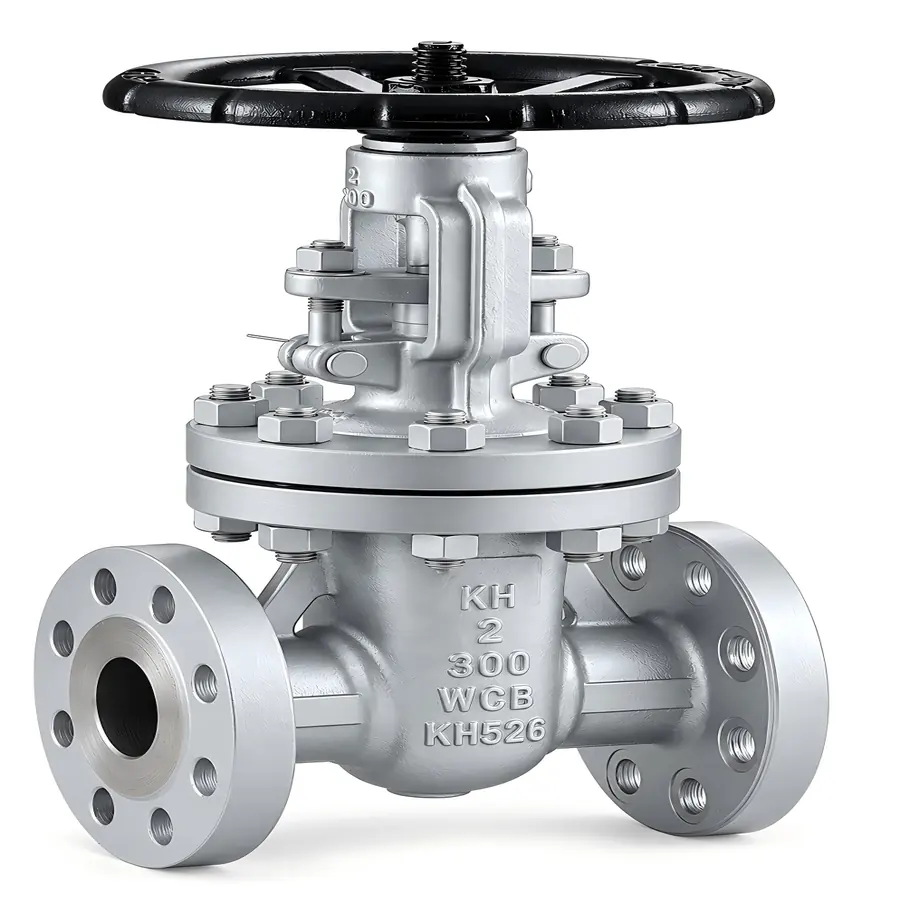
Swing check valves

Review the hinged-disc arrangement, required installation orientation, flow direction and space for inspection. Request the offered model's drawing and closing characteristics for the actual operating duty.

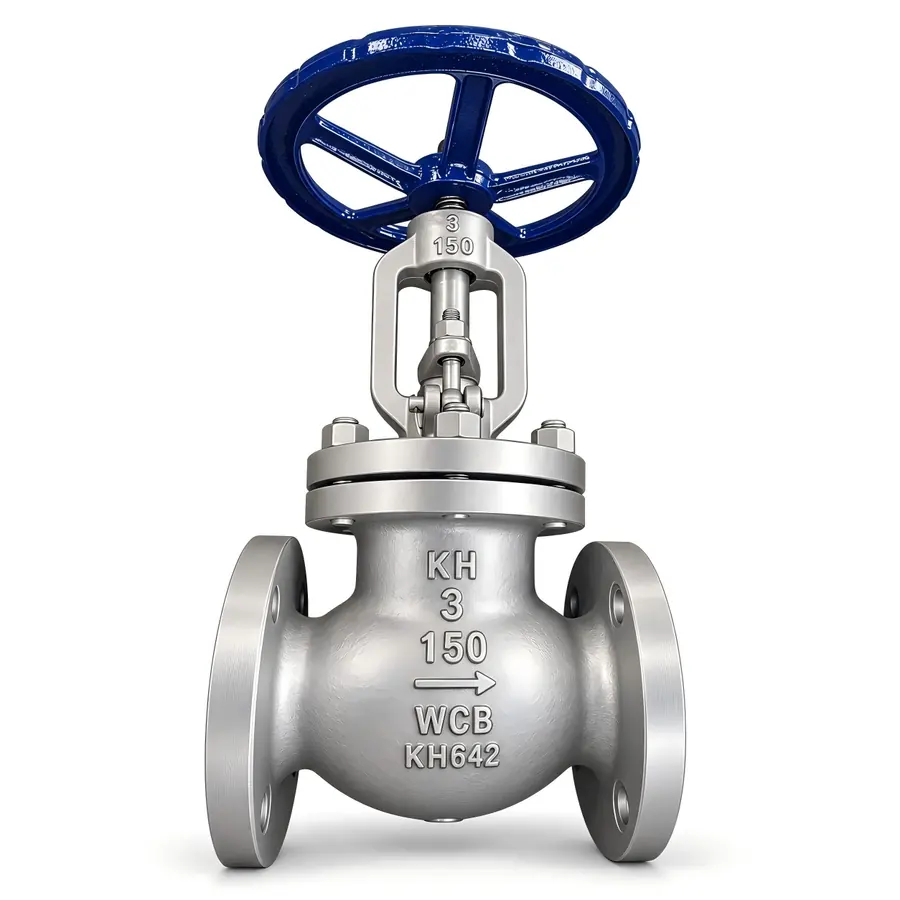
Lift check valves

Confirm the guided-disc arrangement and permitted mounting orientation from the model drawing. Include minimum and normal flow conditions, pressure loss requirements and the proposed seat materials in the RFQ.

Dual-plate and wafer series

Dual-plate describes the closure arrangement; wafer describes a body installed between mating flanges. Check these features independently, including flange compatibility, internal clearance and the assembly drawing.

Check valve RFQ: specify the system, not only the pipe size

  • Provide medium, composition, solids content, minimum and normal flow, design and operating pressure and temperature, with units.
  • State flow direction, horizontal or vertical installation, end connection, mating flange standard and required face-to-face dimension.
  • Describe pump start-stop frequency and any known flow reversal or surge conditions. Request a closing-response review; a construction name alone is not a no-slam guarantee.
  • Confirm the exact model's body, disc, stem or hinge, seat and seal materials, pressure-temperature rating, leakage acceptance and inspection records. The catalogue's family range is not a rating for every series.

For piston or other catalogue series, request a section drawing identifying the actual closure mechanism. Do not treat piston and nozzle-style terminology as interchangeable without model evidence.

Review quality and qualification information

VALVE PRODUCT FAMILIES

Browse the catalogue by valve type

Start with a valve family, then review the construction and service series used in a technical RFQ.

Backflow prevention

Check valve series covered

Use the check valve page to match the disc movement and closing response to pump, pipeline or process conditions.

How buyers usually specify this family
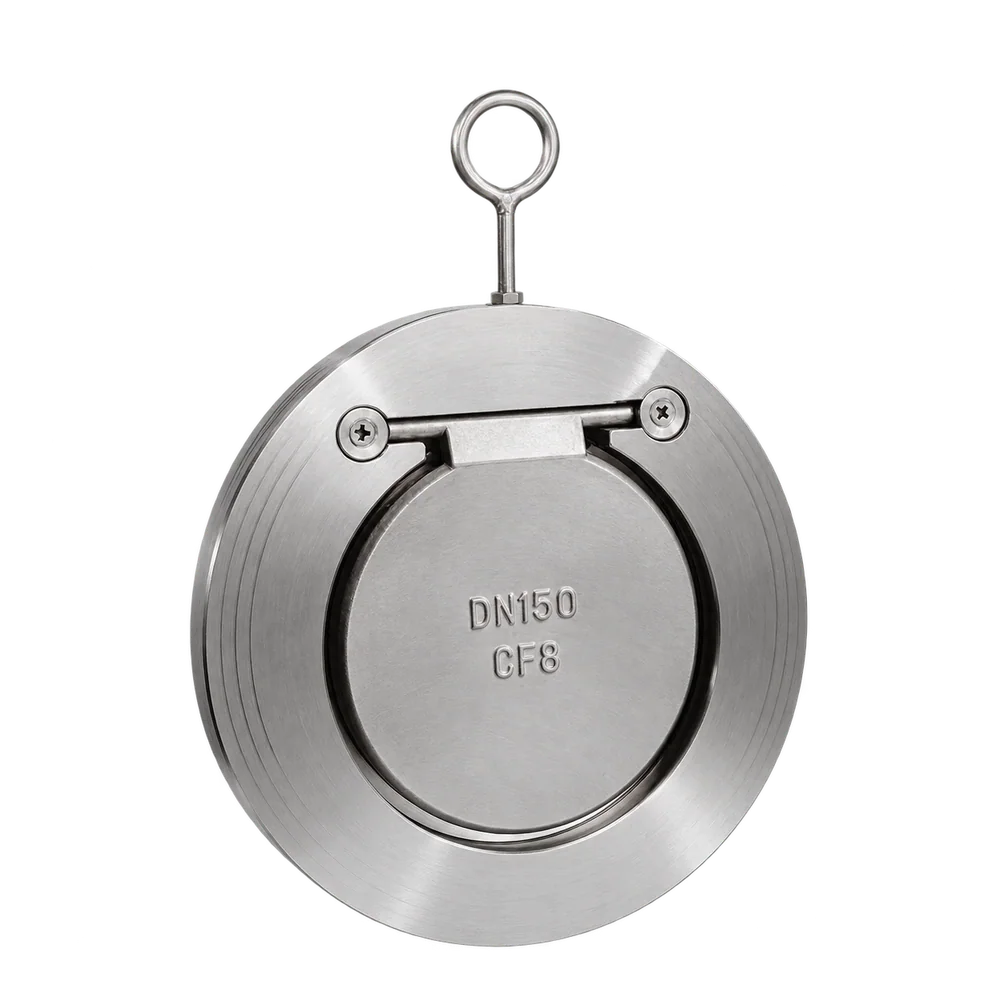
Swing check valve - Check Valves
API 6DPipeline backflow

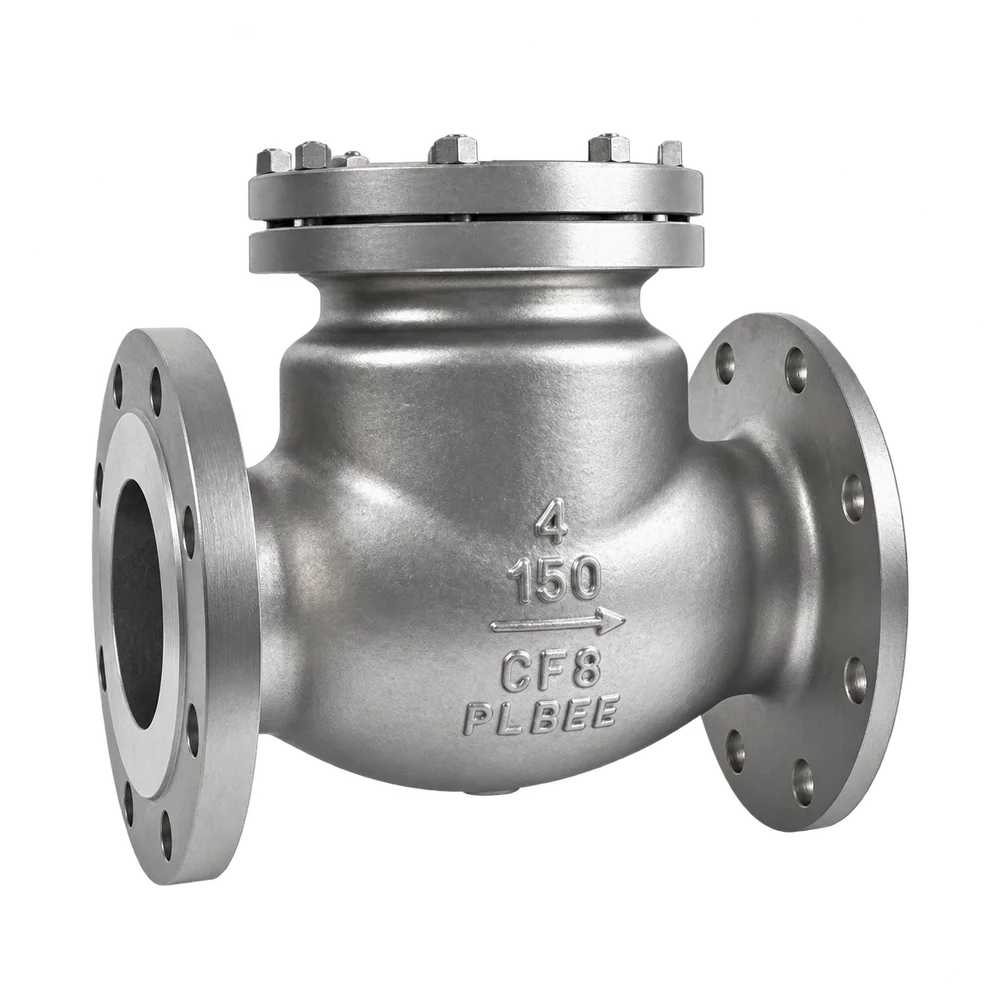
Swing check valve

A swing check valve opens through a hinged disc motion and closes to restrict reverse flow. The disc travel, pipe orientation and system flow history affect the review; pipe size alone does not determine closing behavior.

Swing check

Request this series
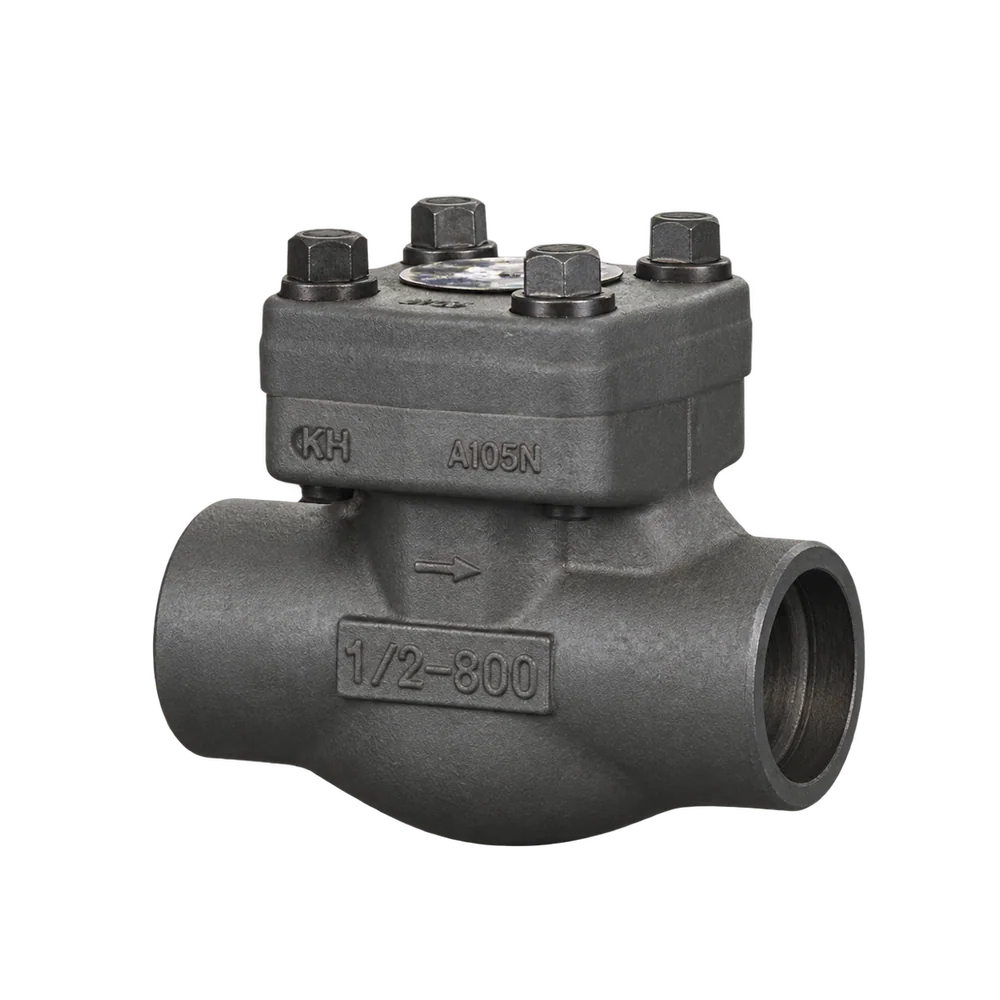
Lift check valve - Check Valves
API 602Compact piping

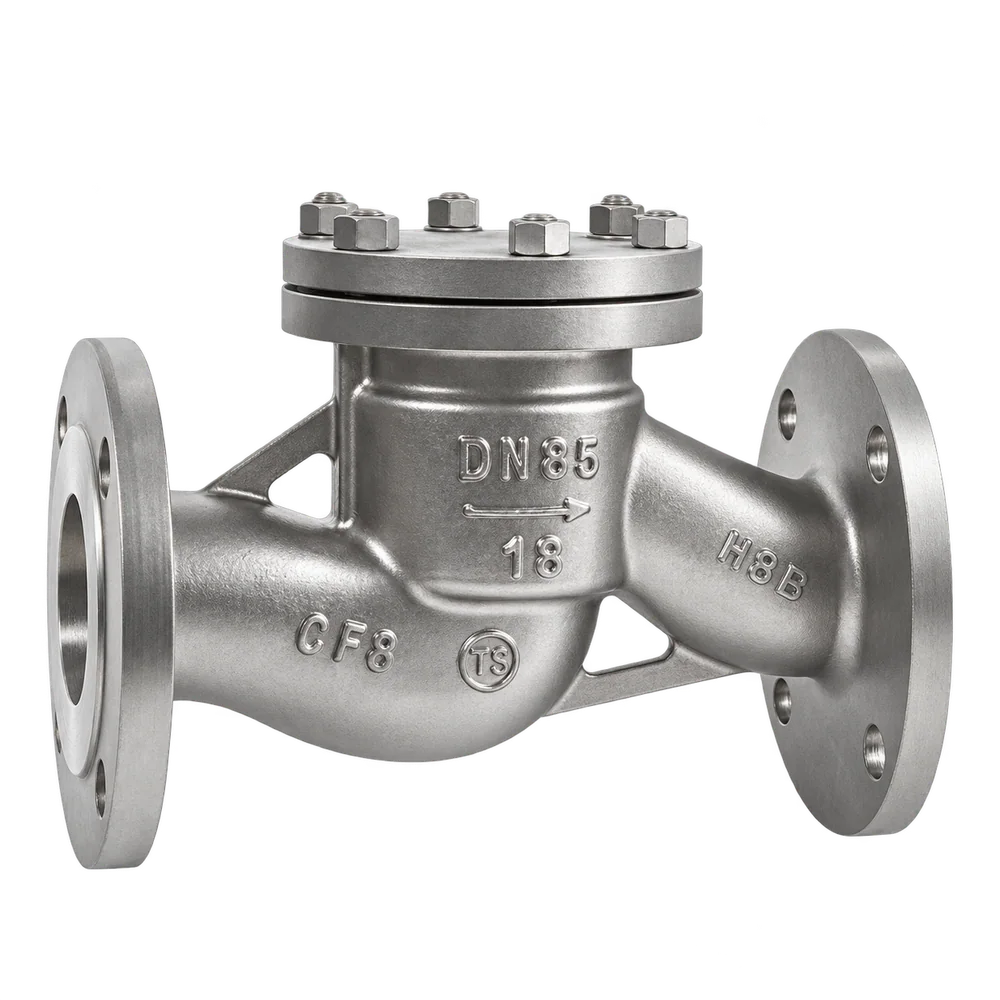
Lift check valve

A lift check valve guides the closure member away from and back onto its seat. Guide and spring arrangements determine the offered installation requirements; do not infer mounting approval from a different lift-check model.

Lift check

Request this series
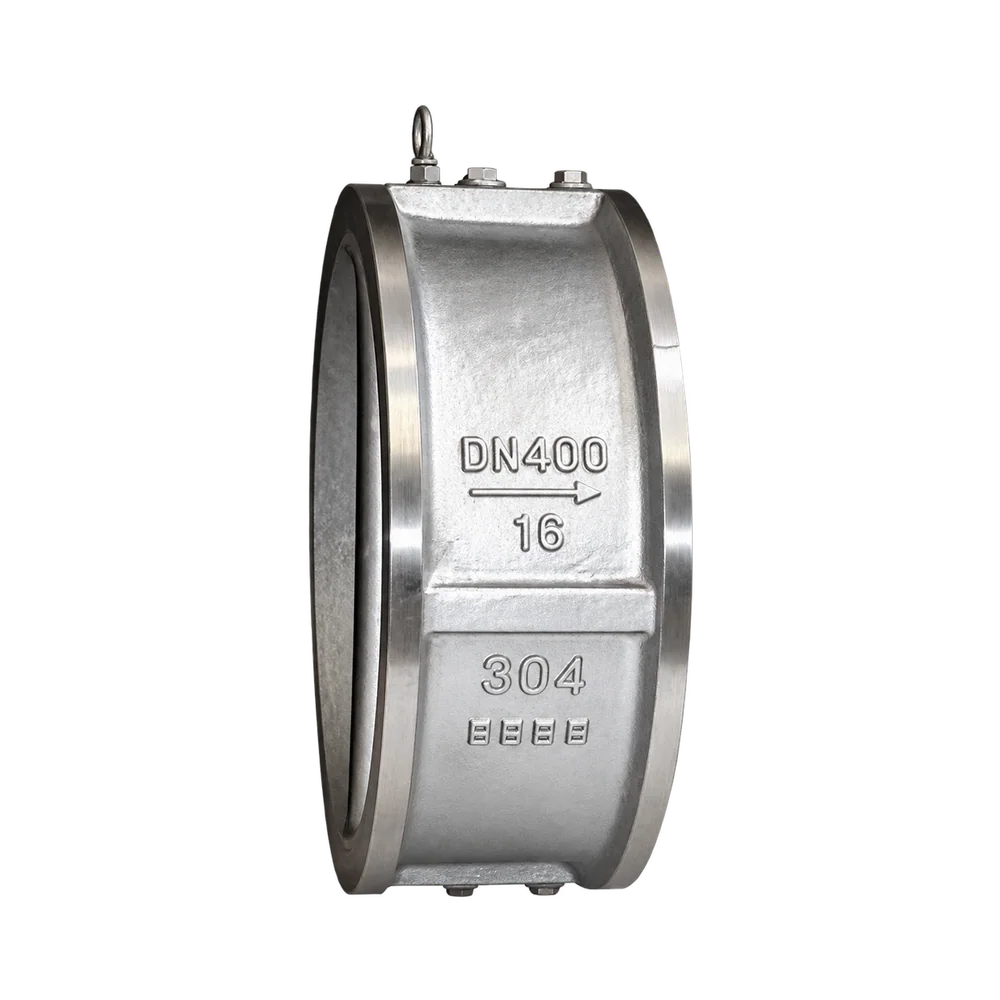
Dual-plate check valve - Check Valves
API 594Fast shutoff

Dual-plate check valve

A dual-plate check valve uses two pivoting closure plates. The plate mechanism and body connection are separate choices. Review plate travel, spring details and the pipe bore before approving the offered assembly.

Dual plate

Request this series
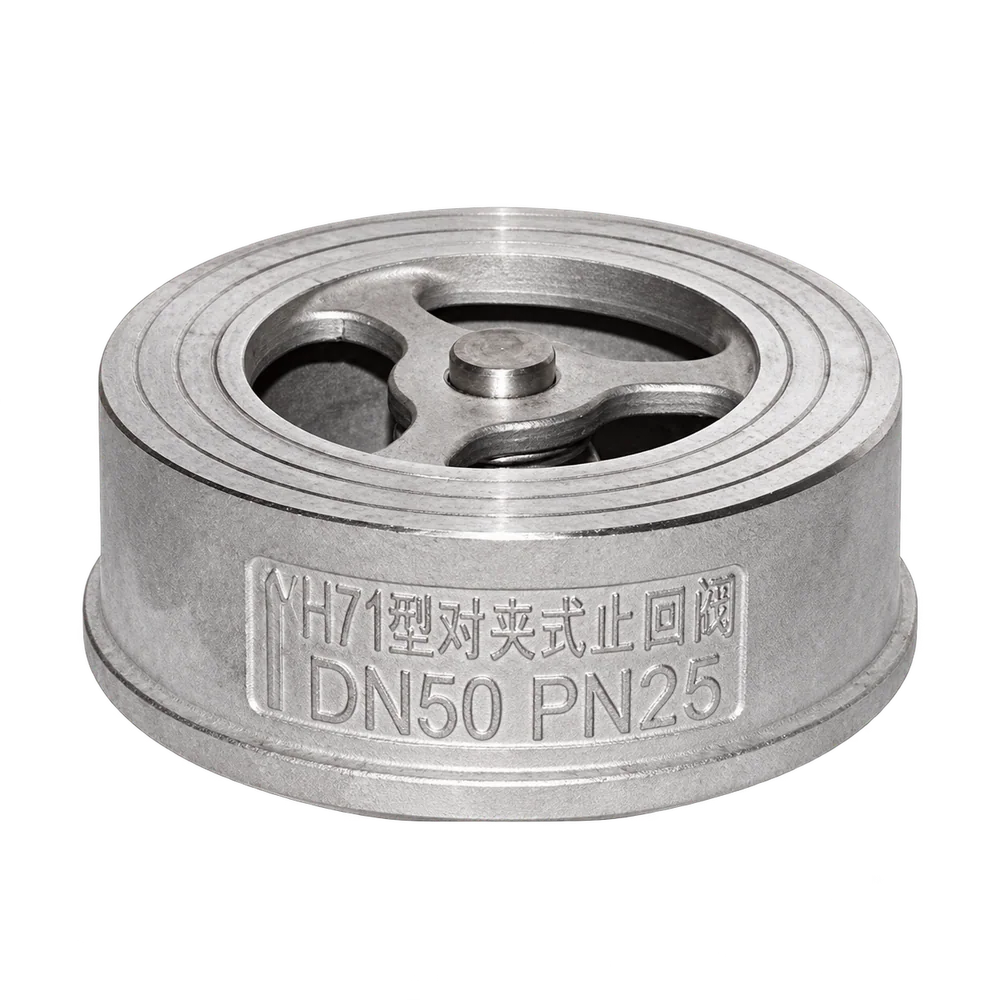
Wafer check valve - Check Valves
API 594Space efficient

Wafer check valve

Wafer identifies a check-valve body fitted between pipe flanges, not its internal closing mechanism. Identify the actual disc design on a section drawing and check opening clearance against the adjoining pipe and fittings.

Wafer

Request this series
Piston check valve - Check Valves
API 6DPump discharge

Piston check valve

The KEHUA catalogue uses piston check for this series. Request the piston, guide and any spring arrangement before evaluating opening response, pressure loss and orientation; the name does not establish an axial or nozzle design.

Piston check

Request this series
Butterfly check valve - Check Valves
API 6DLow slam

Butterfly check valve

Butterfly check is the catalogue name for this non-return series, not a manually operated butterfly isolation valve. Confirm the closure plates, hinges and any closing assistance before assessing installation and reverse-flow response.

Butterfly check

Request this series

Technical data

How buyers usually specify this family

Send a check valve schedule with mechanism, connection, permitted orientation and required materials identified per line. Attach flow/pump-duty information and pipe drawings; include quantity, destination, requested date and agreed material/inspection records. Require any missing reversal data, response assumptions and technical deviations to be stated in the offer. Use the line-item RFQ checklist and quality-document review to define the requested submission package. Unknown values can remain open for technical confirmation.

  • Confirm horizontal or vertical installation and flow direction.
  • Review pressure surge, pump start-stop frequency and closing response.
  • Send end connection, face-to-face requirement and seat material with the RFQ.
  • API 594 / API 6D · Class 150–2500

Share the operating data you already have. Unknown fields can stay blank while our team reviews the application.

Operating data

BUYER GUIDES

Continue the technical review

Use these guides to compare valve types, body materials and RFQ requirements before requesting a project quotation.

WhatsApp