API 6D
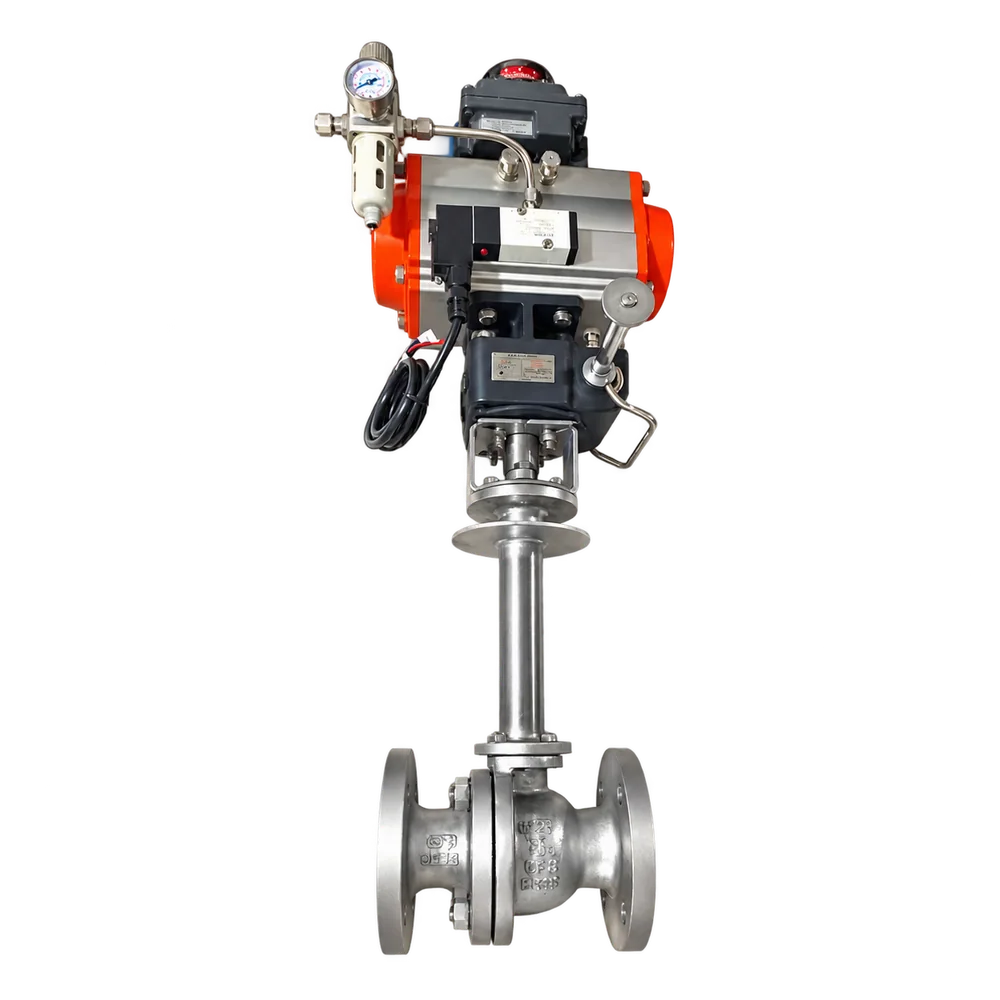
Cryogenic extended-stem ball valve
Specify a KEHUA cryogenic extended-stem ball valve: review minimum temperature, seat materials, installation, cavity relief and the required low-temperature tests.
Ball Valves
Cryogenic extended-stem ball valve
KEHUA lists this extended-stem ball valve series for low-temperature isolation. The extension, ball support, seat materials and installation arrangement must be reviewed together against the actual fluid and operating conditions.
About the cryogenic extended-stem ball valve manufacturerThese are family-level options. Confirm the offered series rating and materials against its approved datasheet.
CRYOGENIC BALL VALVE PROCUREMENT
What must a cryogenic ball valve enquiry specify?
Specify the fluid and phase, minimum design and operating temperatures, pressure and thermal cycles for a cryogenic ball valve enquiry. Confirm the extension, installation orientation and insulation boundary on the drawing, then agree materials and cold-test acceptance for that configuration. An extended stem or family-level temperature range is not a model-specific cold-service qualification.
Related procurement checks: Prepare material questions for the offered configuration.
- State the fluid and phase, minimum design and operating temperatures, pressure class, maximum differential pressure and expected thermal cycles.
- Request the body, ball, seat and stem-seal materials, and confirm their suitability at the specified temperature rather than using the family range as a model rating.
- Confirm extension length, installation orientation, insulation or cold-box boundary, operating clearance, bore and end-connection details on the drawing.
- Agree how trapped cavity pressure is addressed, the permitted sealing direction, cold operating torque, test temperature, test medium and leakage acceptance. Request the applicable low-temperature test records.
SERIES SELECTION
Cryogenic extended-stem ball valve: selection and RFQ checklist
Review the low-temperature configuration, extension and test scope as a package.
Compare construction choices in this valve family- State the minimum service temperature, fluid phase and thermal cycles.
- Review extension orientation, insulation boundary and cavity-pressure relief on the drawing.
- Request material, seat and seal suitability and the required low-temperature test records.
Product-family buyer guides
Use these guides to compare valve families, review materials and prepare an RFQ. Confirm the offered model's ratings and service suitability against its approved datasheet.
- Valve End Connections: Flanged vs Butt Weld, Socket Weld & Threaded
Compare flanged, butt-weld, socket-weld and threaded valve connections. Check pipe interfaces, maintenance access and project standards with a practical RFQ checklist.
- Industrial valve materials: WCB, LCB, CF8M and duplex steel
Compare WCB, LCB, CF8M and duplex valve bodies with a material selection table and RFQ checklist covering fluid, temperature, corrosion and material records.
- Valve Pressure Testing: Shell vs Seat Tests & Buyer Checklist
Understand shell and seat leakage tests, review API 598 or ISO 5208 requirements, and specify an auditable valve pressure-test report before ordering.
- How to prepare an industrial valve RFQ that can be reviewed quickly
Prepare an industrial valve RFQ with a copyable fill-in checklist, quotation deviation table and checks for service data, materials, connections, actuation and documents.
- What to check in a valve qualification package
A document-review checklist for procurement teams comparing certificates, product evidence and project records.
Request a Quote
Request a cryogenic extended-stem ball valve quotation
Oil & gas pipelines, chemical plants and process isolation
Ball Valves