API 608 / API 598
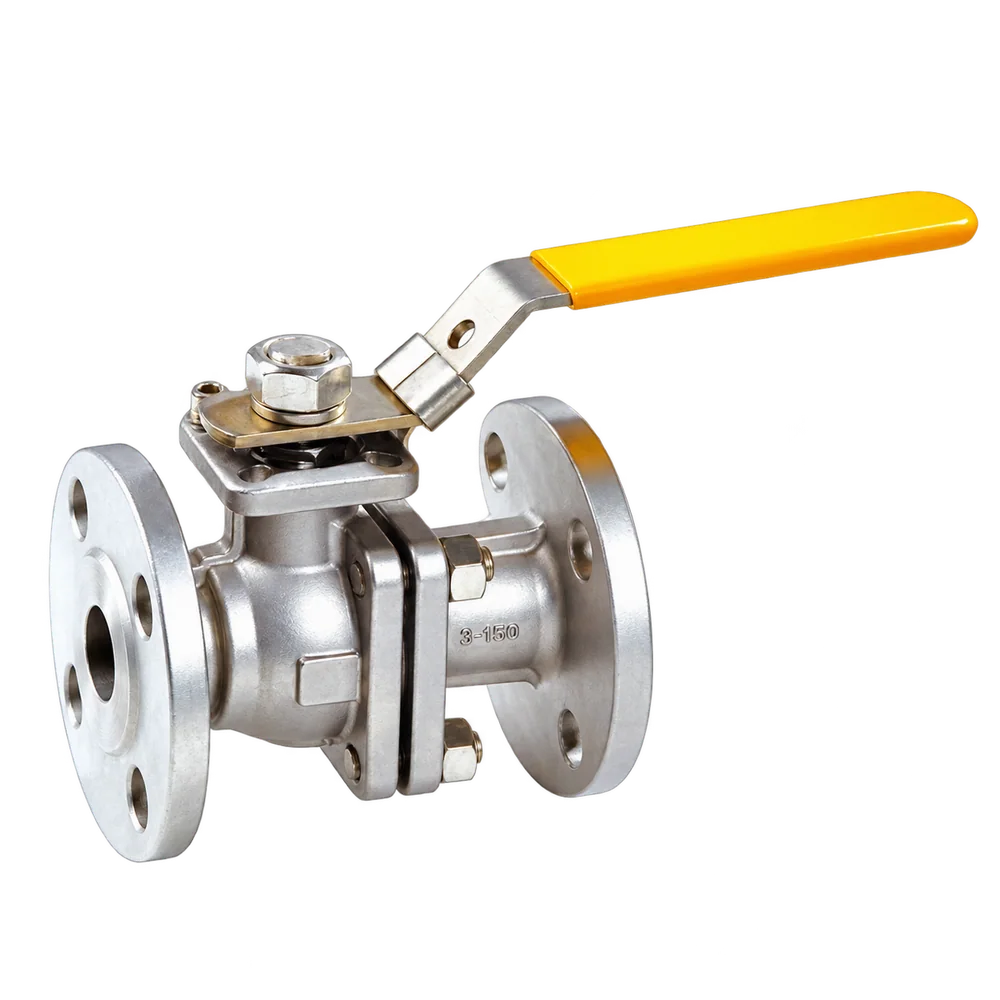
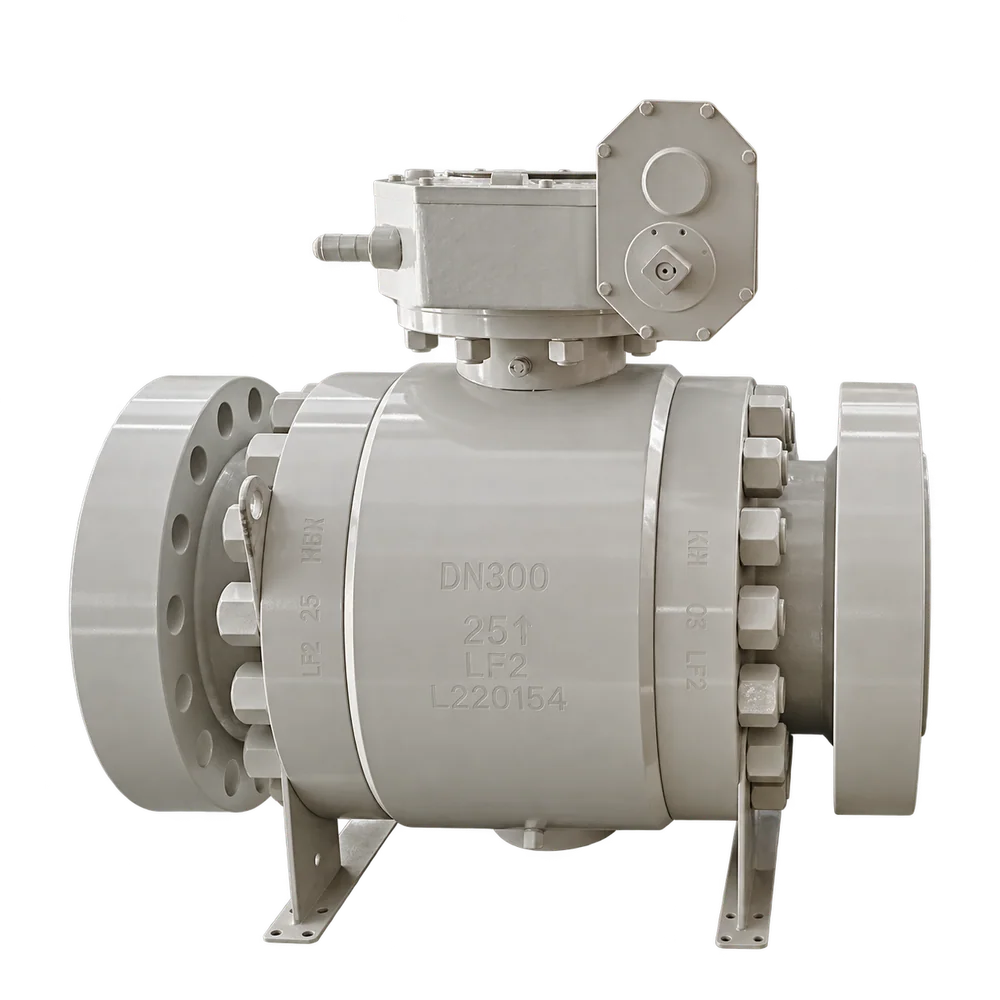
Metal-seated floating ball valve
Compare KEHUA metal-seated floating ball valves using the series catalogue table, sealing interface and support design. Send your operating duty and inspection requirements for a quotation.
Ball Valves
Metal-seated floating ball valve
This series combines floating ball support with a metal ball-to-seat sealing interface. Use the linked series catalogue table as the published reference, not the wider ball valve family range. Confirm ball/seat trim, shutoff acceptance and suitability for your medium on the offered model datasheet.
About the metal-seated floating ball valve manufacturerUse the series table below for catalogue data. Size, class, ends, temperature and material options require configuration-specific review; the maximum values are not a single guaranteed combination.
METAL-SEATED FLOATING BALL VALVE PROCUREMENT
How should you specify a metal-seated floating ball valve?
A metal-seated floating ball valve RFQ should identify the ball and seat materials, any required surface treatment, operating duty and agreed seat-leakage acceptance. Match the exact size, pressure and connection combination to the published series table and offered drawing. Metal seating alone does not confirm suitability for high temperature, particles or frequent cycling.
Related procurement checks: soft-seated floating series; metal-seated trunnion series; shell and seat test requirements; Specify bore details without transferring ratings.
- Sealing interface: identify the proposed ball and seat base materials and any specified surface treatment. Keep unknown trim and leakage acceptance open for confirmation; body material is not a seat specification.
- Operating duty: provide the medium, solids or particles, cycling frequency, temperature and maximum differential pressure. Metal seating alone does not qualify a valve for abrasive or high-temperature service.
- Dimensional fit: use the named construction in the catalogue table, then request a configuration-specific datasheet and drawing. Do not infer an unlisted size, end connection or pressure combination from a family maximum.
- Acceptance and quotation: agree seat leakage criteria, test direction, material records and any witness inspection. Include quantity, destination and requested date; require the offer to identify technical deviations and unconfirmed items.
Sample catalogue reference
The figures describe the named catalogue construction. Size, pressure, temperature, material and end options are not interchangeable combinations; the maximum values do not apply simultaneously. Confirm the offered configuration, seat/seal compatibility, pressure–temperature limits and dimensions on its approved datasheet and drawing. The listed ranges summarize catalogue sizes, not every intermediate DN.
Metal-seated floating ball valve
| Pressure class | Nominal sizes shown | End styles shown | Catalogue temperature range | Printed pages |
|---|---|---|---|---|
| ASME Class 150–2500 | DN 15–200 | Flanged / BW | −29…450 °C | 06 |
Materials: Carbon steel, stainless steel, alloy steel
Source: supplied valve sample booklet; page numbers refer to its printed pages. Confirm the current model datasheet before ordering.
These are model- and class-specific examples. Not every size or end style is available in every configuration; final dimensions and ratings require an approved drawing and datasheet.
Original catalogue and dimensional drawings
Original KEHUA catalogue, printed pp. 05–08: this series' construction notes, structural drawings and class-specific dimension tables. The PDF reproduces two original spreads with Chinese technical text and English headings.
Download original catalogue extract (PDF, pp. 05–08)Match pressure class, DN/NPS and the corresponding drawing on the same catalogue row; a dash is not a confirmed value. Coating-specific examples do not establish the offered valve's temperature or leakage rating. Confirm the current model datasheet before ordering.
SERIES SELECTION
Which sealing and support arrangement should you compare?
Compare the design distinction below, then return to this series' linked catalogue data. A similar material name or pressure class does not make two valve constructions interchangeable.
Compare construction choices in this valve family- Metal-seated floating: review the proposed ball/seat trim and shutoff acceptance for the actual duty.
- Soft-seated floating: compare the soft-seat alternative when reviewing sealing requirements; confirm its own service limits.
- Metal-seated trunnion-mounted: compare the trunnion-supported alternative when the support arrangement is a selection question; request a separate model-specific review.
Product-family buyer guides
Use these guides to review sealing, acceptance testing, body materials and ball support for this series.
- Soft-Seated vs Metal-Seated Ball Valves: Selection Guide
Check sealing-interface and leakage-acceptance requirements for the offered trim.
- Valve Pressure Testing: Shell vs Seat Tests & Buyer Checklist
Define the shutoff test, direction and acceptance criteria before ordering.
- Industrial valve materials: WCB, LCB, CF8M and duplex steel
Keep body-material selection separate from the ball and seat specification.
- Floating vs Trunnion Ball Valves: Selection Guide
Compare ball support and confirm the offered model's pressure and torque limits.
Request a Quote
Request a metal-seated floating ball valve quotation
Oil & gas pipelines, chemical plants and process isolation
Ball Valves