API 609
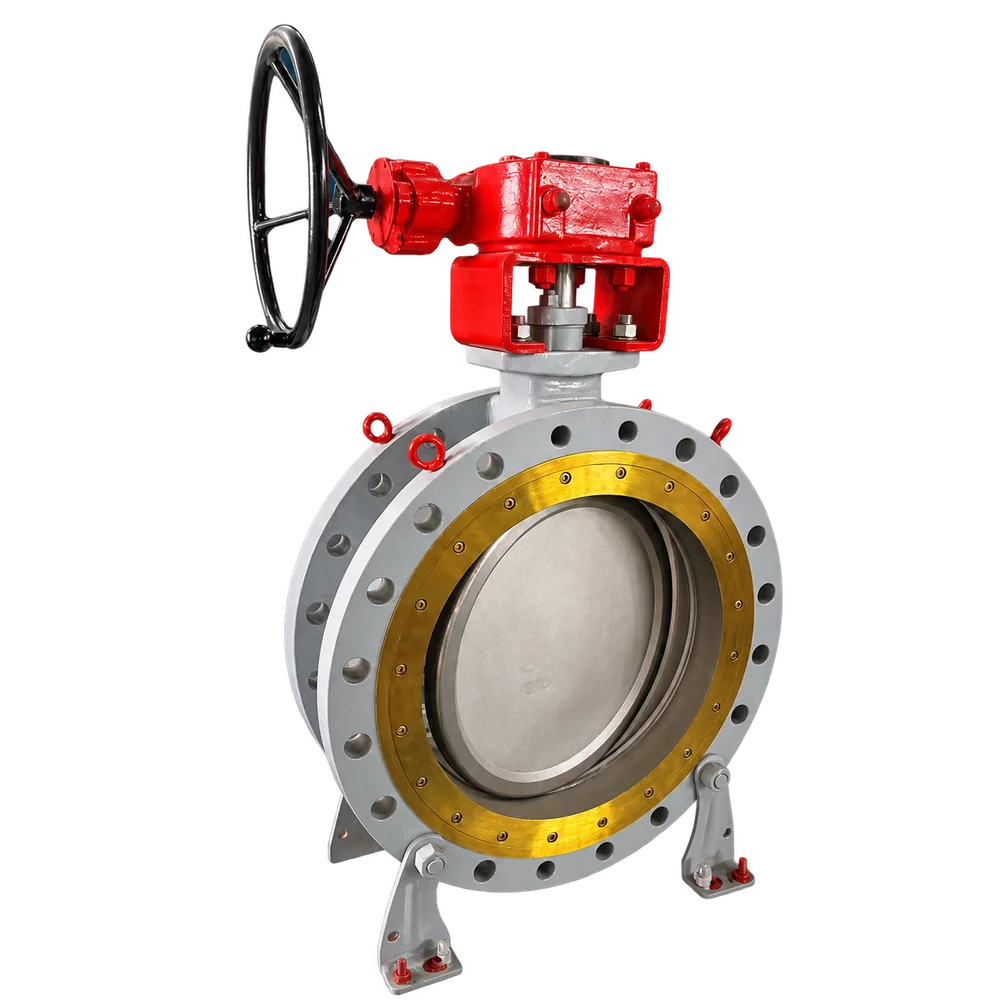
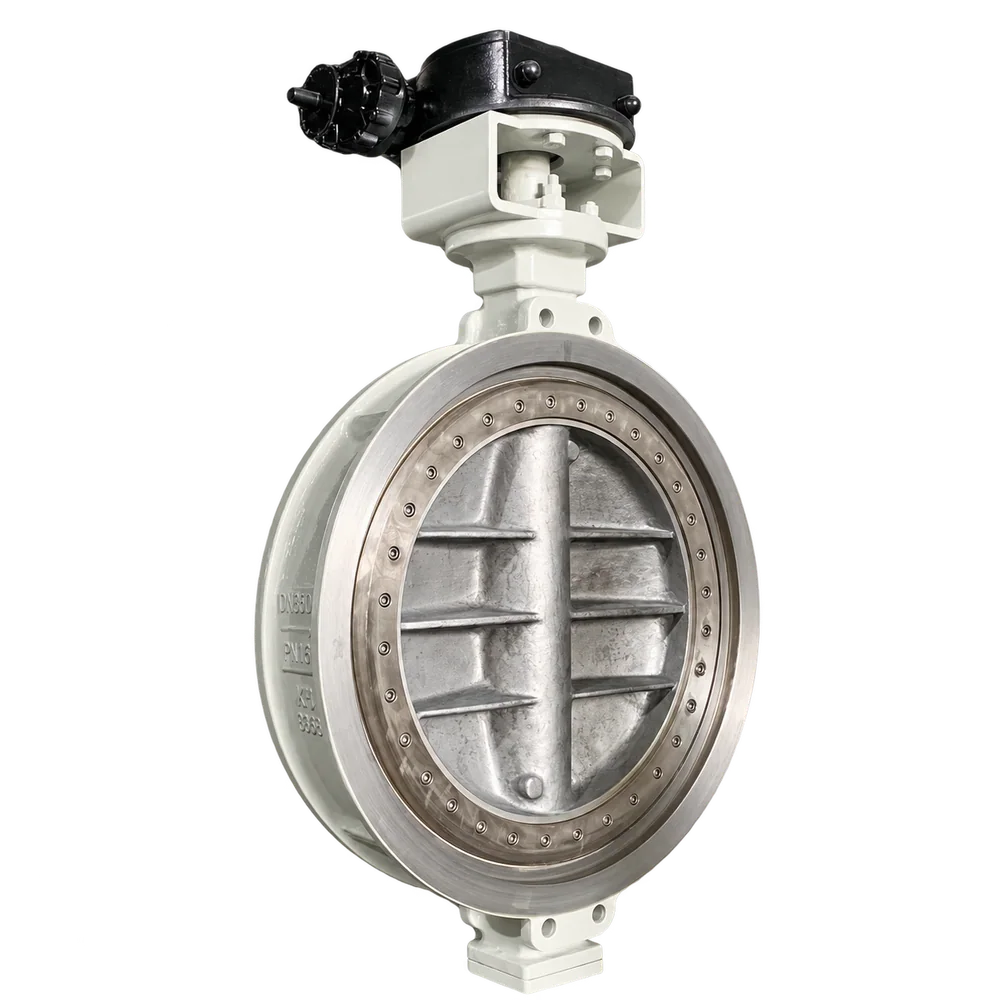
High-performance butterfly valve
Review KEHUA high-performance butterfly valves for throttling duty. Share fluid, flow range, differential pressure, materials and actuator requirements for review.
Butterfly Valves
High-performance butterfly valve
High performance is a catalogue designation, not a single geometry or control rating. For throttling, the useful selection inputs are operating flow cases, pressure drop, seat design and the actual model flow characteristic.
About the high-performance butterfly valve manufacturerThese are family-level options. Confirm the offered series rating and materials against its approved datasheet.
Sample catalogue reference
The figures describe the named catalogue construction. Size, pressure, temperature, material and end options are not interchangeable combinations; the maximum values do not apply simultaneously. Confirm the offered configuration, seat/seal compatibility, pressure–temperature limits and dimensions on its approved datasheet and drawing. The listed ranges summarize catalogue sizes, not every intermediate DN.
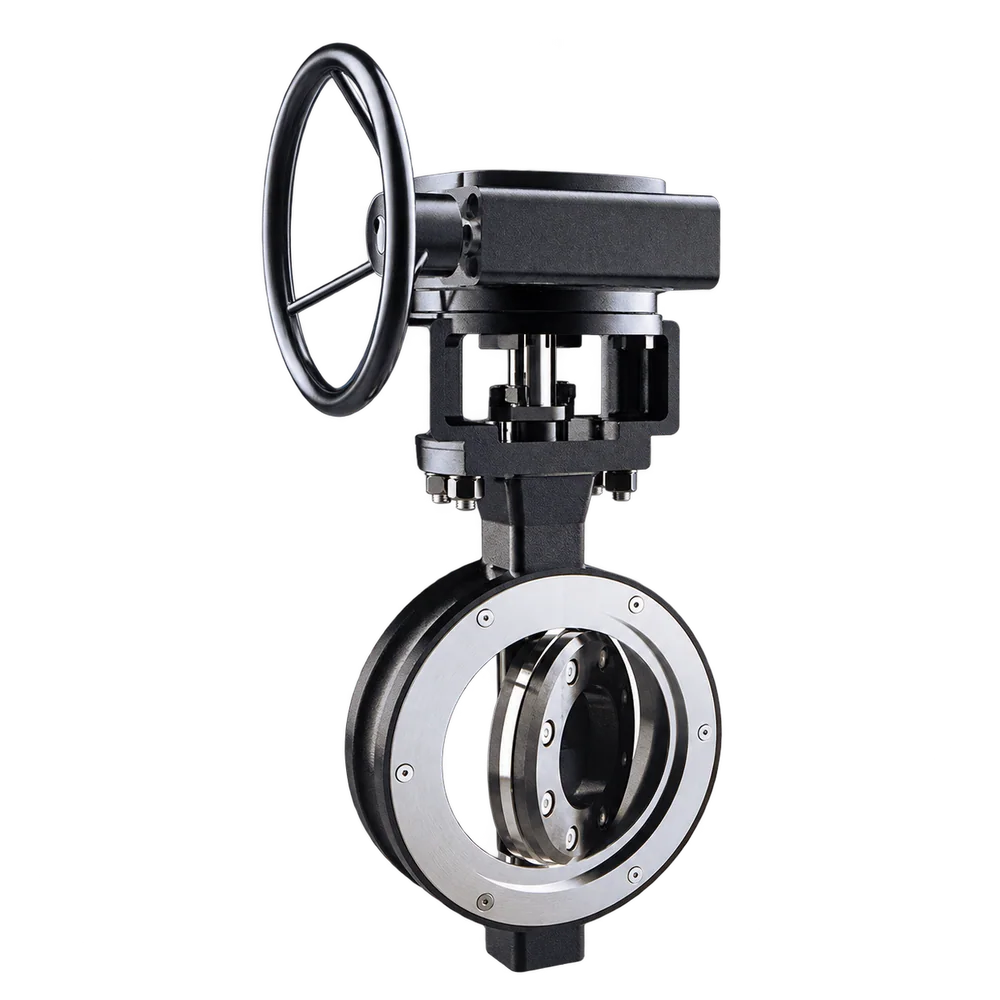
High-performance butterfly valve — wafer example
| Pressure class | Nominal sizes shown | End styles shown | Printed pages |
|---|---|---|---|
| ASME Class 150 | DN 50–600 | Wafer | 68 |
Source: supplied valve sample booklet; page numbers refer to its printed pages. Confirm the current model datasheet before ordering.
These are model- and class-specific examples. Not every size or end style is available in every configuration; final dimensions and ratings require an approved drawing and datasheet.
SERIES SELECTION
What should a high-performance butterfly valve RFQ define?
Define shutoff or regulation duty, flow cases and inlet and outlet pressures before comparing high-performance butterfly valve offers. Request the actual offset geometry, seat design and model-specific flow information, then review control range and actuator sizing for the stated duty. The high-performance label alone does not establish these features or operating limits.
Related procurement checks: Compare documented butterfly offset geometry.
Compare construction choices in this valve family- Provide minimum, normal and maximum flow and inlet/outlet pressures.
- Request the actual offset geometry, seat design and model flow information.
- Review control range, noise or cavitation risks and actuator sizing for the stated duty.
Product-family buyer guides
Use these guides to compare valve families, review materials and prepare an RFQ. Confirm the offered model's ratings and service suitability against its approved datasheet.
- Double vs Triple Offset Butterfly Valves: Differences & Selection
Compare double and triple offset butterfly valves by geometry, seat construction, operating duty and test requirements. Includes a practical procurement checklist.
- Wafer vs Lug vs Flanged Butterfly Valves: Selection Guide
Compare butterfly valve connections, flange dimensions, end-of-line limits and pressure-temperature requirements. Use the RFQ checklist to review the offered model.
- Ball, butterfly or gate valve: start with the duty
Compare ball, butterfly and gate valves with a duty-based selection table, model-specific purchasing checks and links to KEHUA product series and technical guides.
- Industrial valve materials: WCB, LCB, CF8M and duplex steel
Compare WCB, LCB, CF8M and duplex valve bodies with a material selection table and RFQ checklist covering fluid, temperature, corrosion and material records.
- How to prepare an industrial valve RFQ that can be reviewed quickly
Prepare an industrial valve RFQ with a copyable fill-in checklist, quotation deviation table and checks for service data, materials, connections, actuation and documents.
Request a Quote
Request a high-performance butterfly valve quotation
Pipeline isolation, water, chemical and utility service
Butterfly Valves