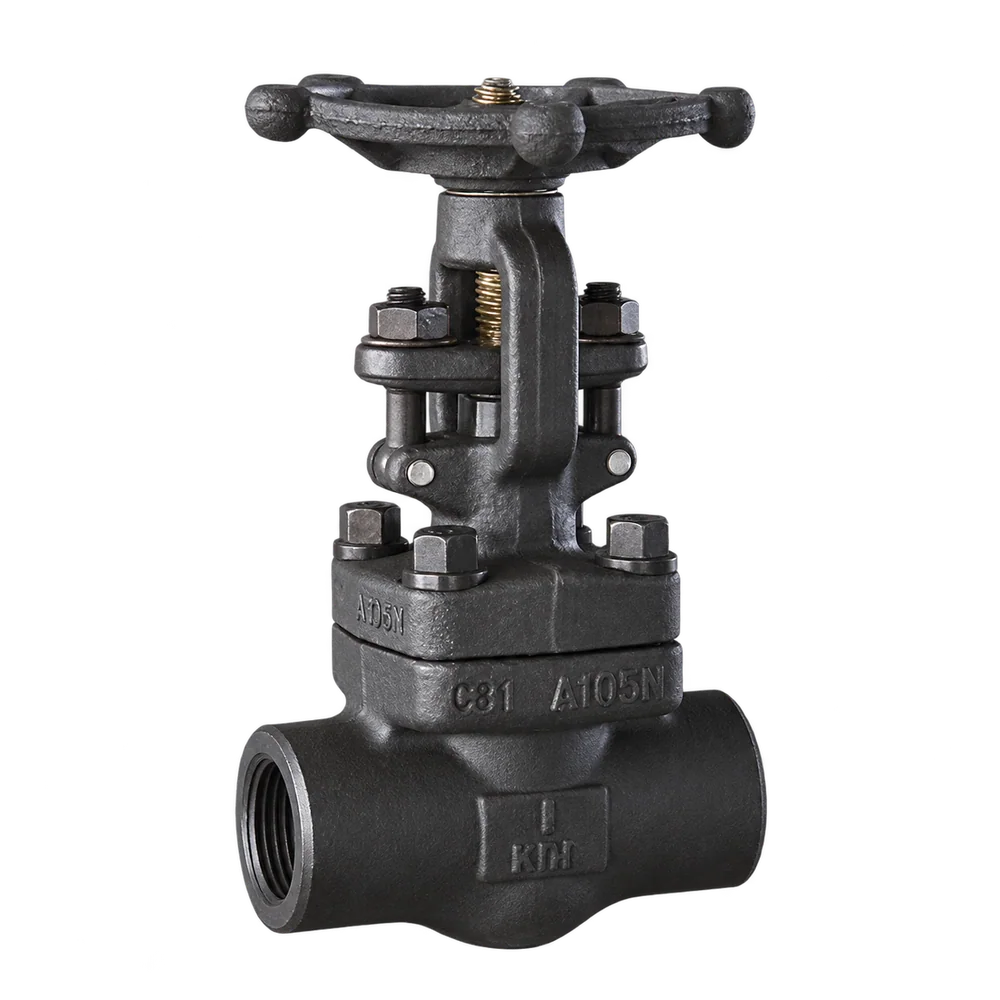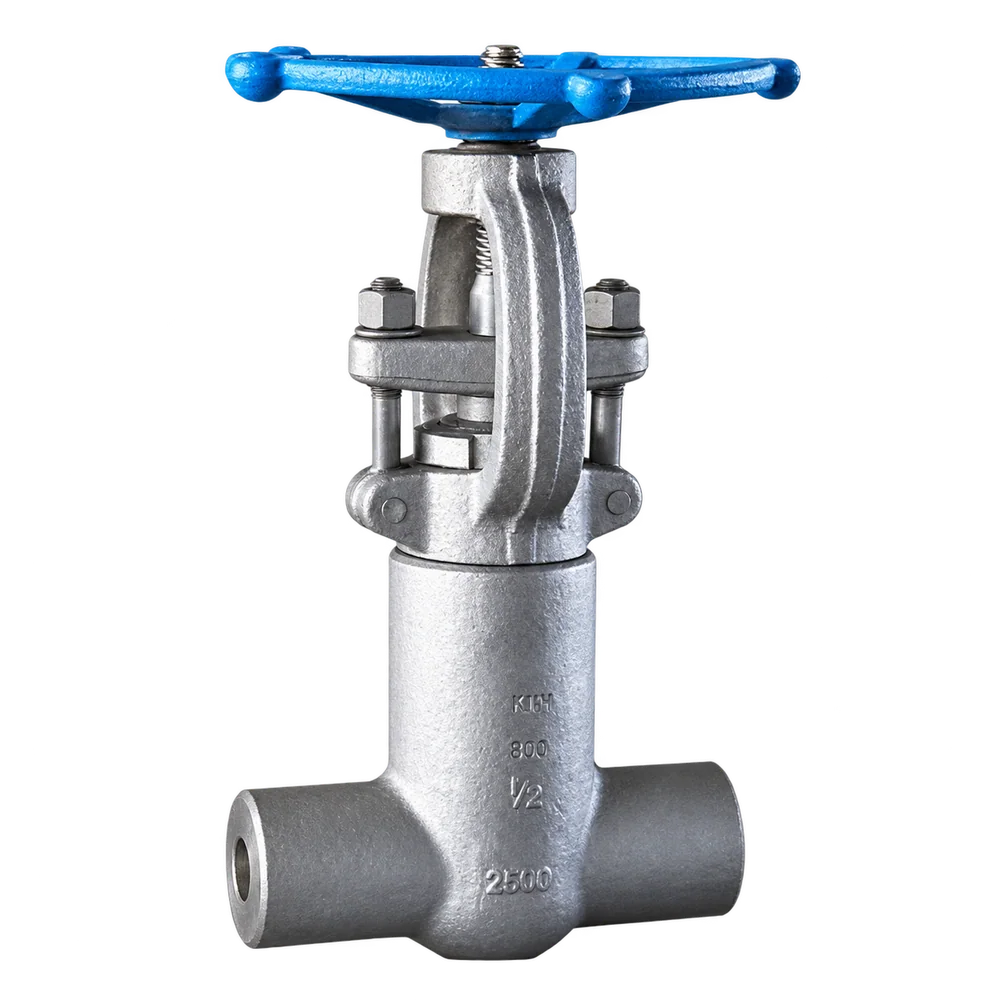
API 600
Cast steel wedge gate valve
Request a KEHUA cast steel wedge gate valve quotation. Specify casting and trim, bonnet, isolation duty, connections and model-specific inspection documents.
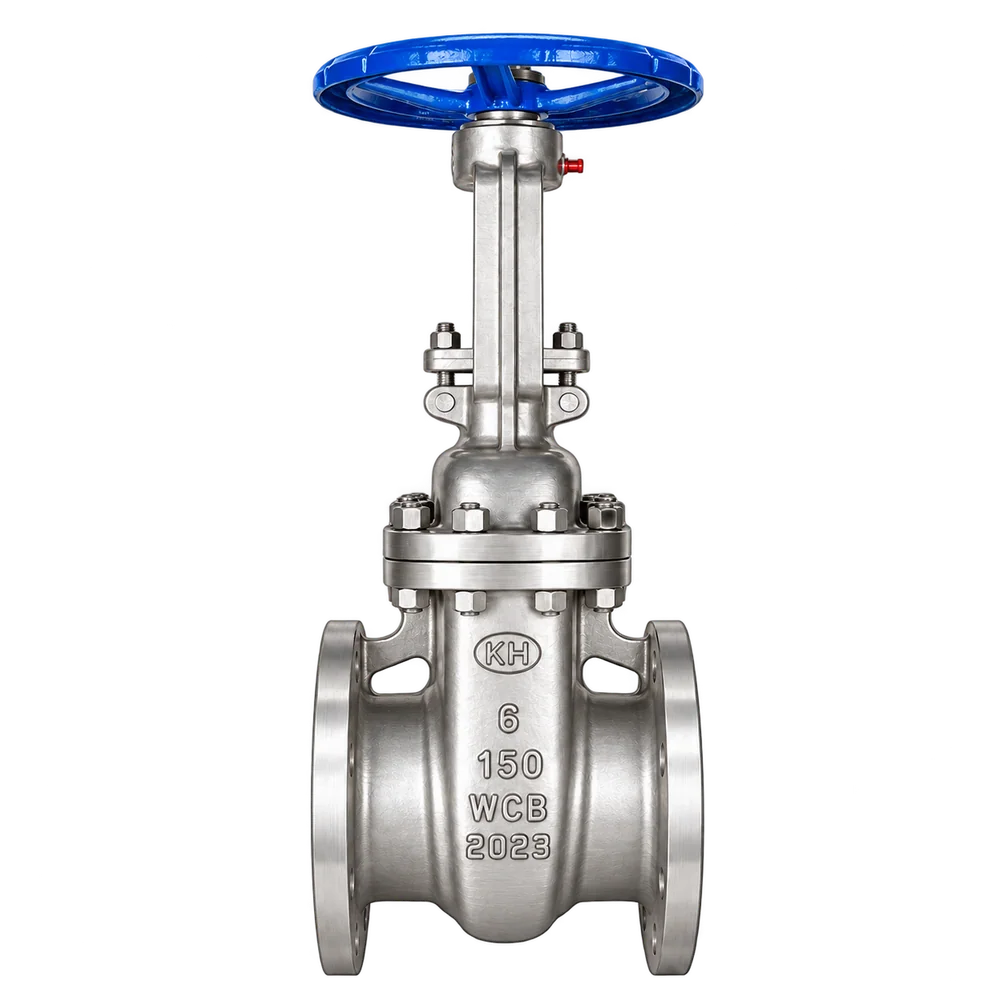
Gate Valves
Cast steel wedge gate valve
KEHUA lists this cast steel wedge gate valve series for pipeline isolation. Compare the proposed casting grade, wedge and seat arrangement, bonnet joint and stem movement against the required on/off duty.
About the cast steel wedge gate valve manufacturerThese are family-level options. Confirm the offered series rating and materials against its approved datasheet.
CAST STEEL GATE VALVE PROCUREMENT
How should you specify a cast steel wedge gate valve?
Specify the isolation duty, operating and design conditions, maximum differential pressure and exact size-end requirements for a cast steel wedge gate valve. Confirm the casting grade, wedge and seating construction, bonnet joint and fully open installation envelope on the offered drawing. Cast construction alone does not establish the complete rating or suitability for sustained throttling.
Related procurement checks: Define shell and seat acceptance separately.
- Describe the medium, particles, operating and design pressure and temperature, maximum differential pressure, cycling frequency and isolation requirements.
- Confirm the casting grade, wedge construction, seating surfaces, stem and packing materials, bonnet joint and required direction of sealing for the offered model.
- Check nominal size, end-connection standard, face-to-face length, stem travel, handwheel or actuator envelope and access for maintenance.
- Agree the applicable design and test standards and editions, shell and seat test conditions, leakage acceptance, material records and inspection documents before order approval.
Sample catalogue reference
The figures describe the named catalogue construction. Size, pressure, temperature, material and end options are not interchangeable combinations; the maximum values do not apply simultaneously. Confirm the offered configuration, seat/seal compatibility, pressure–temperature limits and dimensions on its approved datasheet and drawing. The listed ranges summarize catalogue sizes, not every intermediate DN.
Cast steel bolted-bonnet gate valve
| Pressure class | Nominal sizes shown | End styles shown | Printed pages |
|---|---|---|---|
| ASME Class 150 | NPS 2–48 / DN 50–1200 | RF / RTJ flange · BW | 03 |
| ASME Class 300 | NPS 2–48 / DN 50–1200 | RF / RTJ flange · BW | 04 |
RF = raised-face flange · RTJ = ring-joint flange · BW = butt-weld end
Source: supplied valve sample booklet; page numbers refer to its printed pages. Confirm the current model datasheet before ordering.
These are model- and class-specific examples. Not every size or end style is available in every configuration; final dimensions and ratings require an approved drawing and datasheet.
SERIES SELECTION
Cast steel wedge gate valve: selection and RFQ checklist
For a cast steel wedge gate valve quotation, identify body, wedge and bonnet as separate requirements. Compare the forged steel gate valve series using the same duty, and use the body material guide to prepare grade and traceability questions. Do not combine the largest catalogue size with a different pressure class.
Compare construction choices in this valve family- Identify casting grade, wedge construction and seat/trim materials.
- Confirm isolation duty, maximum differential pressure and required sealing direction.
- Check stem travel, bonnet access, operating torque and agreed shell/seat tests.
- Send the line size, pressure class, medium, temperature and maximum differential pressure with units, plus quantity, delivery destination and requested date. Include the piping specification, drawing approval and material/test record requirements; ask the offer to identify the exact size-class-end combination, exclusions and unresolved items.
Product-family buyer guides
Use these guides to compare valve families, review materials and prepare an RFQ. Confirm the offered model's ratings and service suitability against its approved datasheet.
- Valve End Connections: Flanged vs Butt Weld, Socket Weld & Threaded
Compare flanged, butt-weld, socket-weld and threaded valve connections. Check pipe interfaces, maintenance access and project standards with a practical RFQ checklist.
- Industrial valve materials: WCB, LCB, CF8M and duplex steel
Compare WCB, LCB, CF8M and duplex valve bodies with a material selection table and RFQ checklist covering fluid, temperature, corrosion and material records.
- Valve Pressure Testing: Shell vs Seat Tests & Buyer Checklist
Understand shell and seat leakage tests, review API 598 or ISO 5208 requirements, and specify an auditable valve pressure-test report before ordering.
- How to prepare an industrial valve RFQ that can be reviewed quickly
Prepare an industrial valve RFQ with a copyable fill-in checklist, quotation deviation table and checks for service data, materials, connections, actuation and documents.
- Ball, butterfly or gate valve: start with the duty
Compare ball, butterfly and gate valves with a duty-based selection table, model-specific purchasing checks and links to KEHUA product series and technical guides.
Request a Quote
Request a cast steel wedge gate valve quotation
Pipeline, refinery, power and process isolation
Gate Valves